CAREERS
China's Largest-Ever Graduate Class Enters Challenging Job Market
MyDigiFolio Editors
2 min read
CAREERS
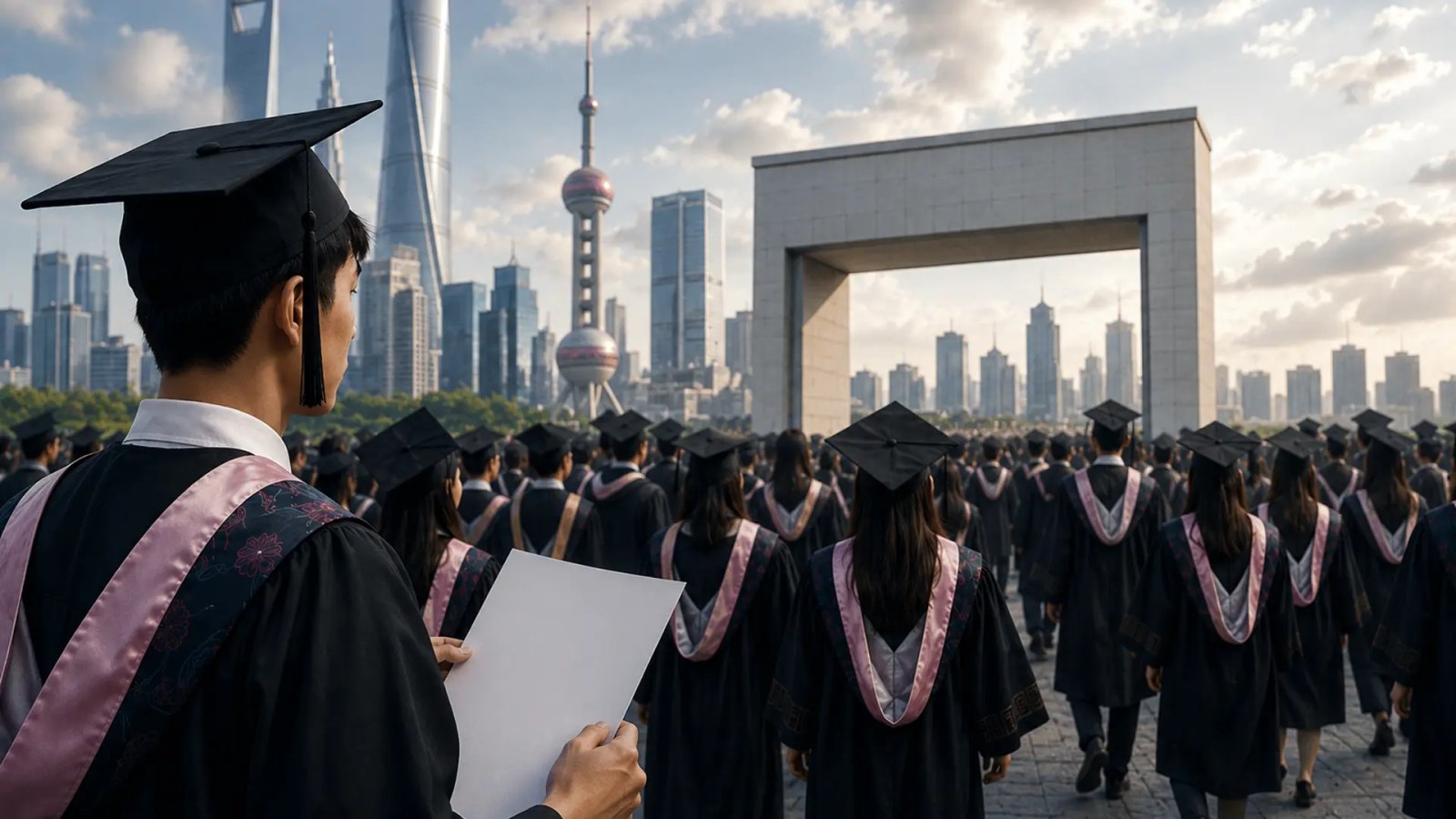
China is producing more university graduates than ever before, but job creation has not kept pace. Reports suggest many graduates remain without employment, despite efforts by authorities and businesses to expand hiring opportunities.
Record Number of Graduates Seek Work
China is expected to see approximately 12.7 million students graduate from colleges and universities this year, an increase of about 480,000 compared with the previous year. As graduates begin entering the workforce, many are encountering a difficult employment environment.
Recent estimates reported by Chinese media indicate that fewer than half of this year's graduates have secured jobs. Even among those who have found employment, reports suggest that many have not obtained positions they consider desirable.
Concerns Over Graduate Employment
The employment situation has drawn attention from educators and students alike. Some university faculty members have expressed concern over the limited number of graduates successfully finding suitable roles despite strong academic backgrounds.
The challenge of placing highly educated young people into the workforce has also raised broader questions about economic conditions and long-term talent utilization.
Government and Industry Response
Chinese authorities have introduced several measures aimed at supporting graduate employment. The Ministry of Education has worked with local governments and universities to encourage job creation and expand recruitment efforts.
President Xi Jinping has also highlighted the importance of addressing graduate employment challenges.
In Hangzhou, major technology firms have reportedly committed to hiring more than 2,000 additional employees across the country. Businesses in parts of Fujian and Jiangsu provinces are also said to be increasing recruitment following appeals from education authorities.
Support Programs and Recruitment Efforts
Guizhou province continues to offer job-search subsidies for graduates from financially vulnerable families. Eligible participants can receive 1,500 yuan each, with the province allocating 200 million yuan to support the program.
Meanwhile, cities including Beijing and Shanghai are encouraging government agencies and state-owned enterprises to maintain or expand hiring.
Ongoing Challenges
Despite these initiatives, the number of available opportunities remains limited compared with the size of the graduating class. Many graduates may ultimately seek work in delivery services and other flexible employment sectors.
Experts warn that without broader structural solutions, employment difficulties among university graduates could persist in the years ahead, potentially affecting China's longer-term economic goals.

India Today · 2 days ago
India’s high-frequency trading industry is offering unusually high compensation, including internships worth up to Rs 60 lakh for two months...

Reuters · 2 days ago
The number of UK 16-24 year-olds classified as NEET fell to 981,000 in the second quarter of 2026 from 1.011 million in the previous quarter...

Business Standard · 2 days ago
India’s formal job market returned to growth in July after three months of decline, with job postings remaining well above pre-pandemic leve...
From MyDigiFolio
One profile. Resume, vCard, portfolio, and email signatures — all generated in 3 minutes.
Build your page — freeWe use essential cookies for login and preferences, and optional cookies for analytics. Privacy policy.