BUSINESS
Key Questions Surround Volkswagen's Major Restructuring Plan Ahead of Supervisory Board Meeting
MyDigiFolio Editors
2 min read
BUSINESS
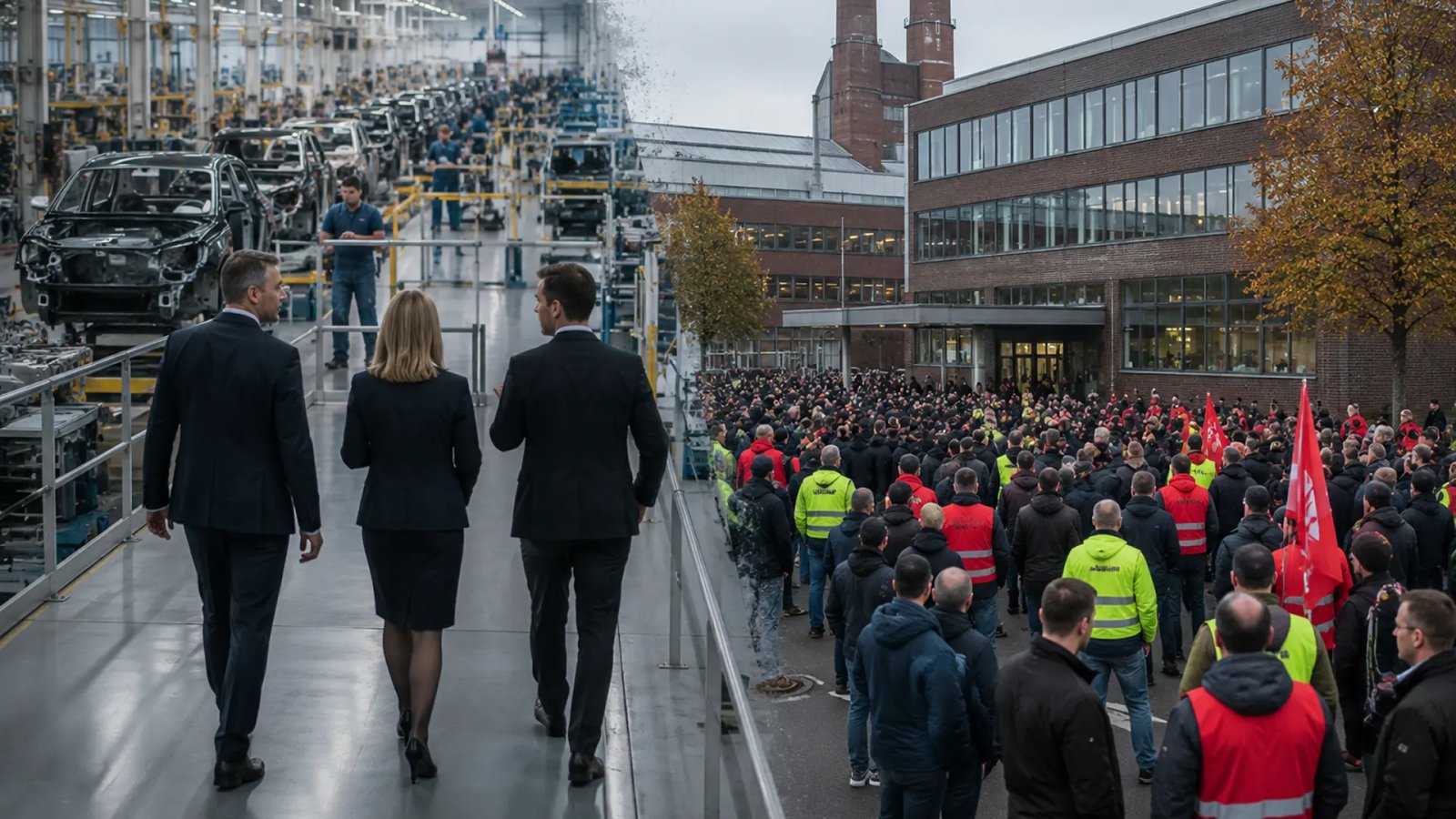
Volkswagen is weighing one of the most significant restructuring efforts in its history. The upcoming board meeting will determine whether the company moves ahead with negotiations on plant closures, workforce reductions, and broader structural changes.
Volkswagen's supervisory board is scheduled to meet on July 9 at the company's headquarters in Wolfsburg to review a broad restructuring proposal that could reshape the automaker's operations. The meeting comes as CEO Oliver Blume faces growing pressure to address the company's ongoing challenges, with labour demonstrations expected before discussions begin.
According to sources, the proposed plan includes the possible closure of four German production sites—Hanover, Emden, Zwickau, and Audi's Neckarsulm facility. The restructuring could also involve up to 50,000 additional job reductions. Volkswagen is also evaluating changes to its corporate structure, including the possibility of separating or spinning off its core brand division and components technology business to simplify the group's operations.
If initial discussions move forward, management and employee representatives are expected to enter negotiations that could continue for several months alongside unions and political stakeholders. Instead of immediate plant closures, Volkswagen may consider shifting production of vehicles intended for the Chinese market to German factories such as Zwickau. Another option under consideration is gradually ending production at selected plants by withholding future vehicle programs.
The company is also exploring whether underused automotive facilities could be repurposed for other industries, including defence manufacturing, where production capacity is in demand.
The supervisory board currently has 19 occupied seats after one shareholder representative stepped down, leaving labour representatives with a numerical advantage. Under Germany's Volkswagen law, closing certain protected factories requires a two-thirds majority, making approval difficult without union backing.
However, the Zwickau and Neckarsulm plants are not covered by that law, meaning their closure would not require supervisory board approval. Even so, any attempt to shut those facilities is expected to face strong opposition from unions and local political leaders, while also carrying significant financial costs, similar to the expenses incurred during Audi's Brussels plant closure in 2025.

Reuters · 4 hours ago
Adyen is planning further expansion and hiring in India as it targets the country's growing digital payments and cross-border commerce marke...

Reuters · 1 day ago
U.S. households showed increased concerns about the labor market and their financial situation in August. While inflation expectations chang...

Reuters · 6 days ago
China’s new five-year plan aims to strengthen SMEs as a source of jobs, innovation and economic activity. The strategy includes greater fina...
From MyDigiFolio
One profile. Resume, vCard, portfolio, and email signatures — all generated in 3 minutes.
Build your page — freeWe use essential cookies for login and preferences, and optional cookies for analytics. Privacy policy.