BUSINESS
China's second-quarter growth slows to a three-and-a-half-year low as domestic demand remains weak
MyDigiFolio Editors
2 min read
BUSINESS
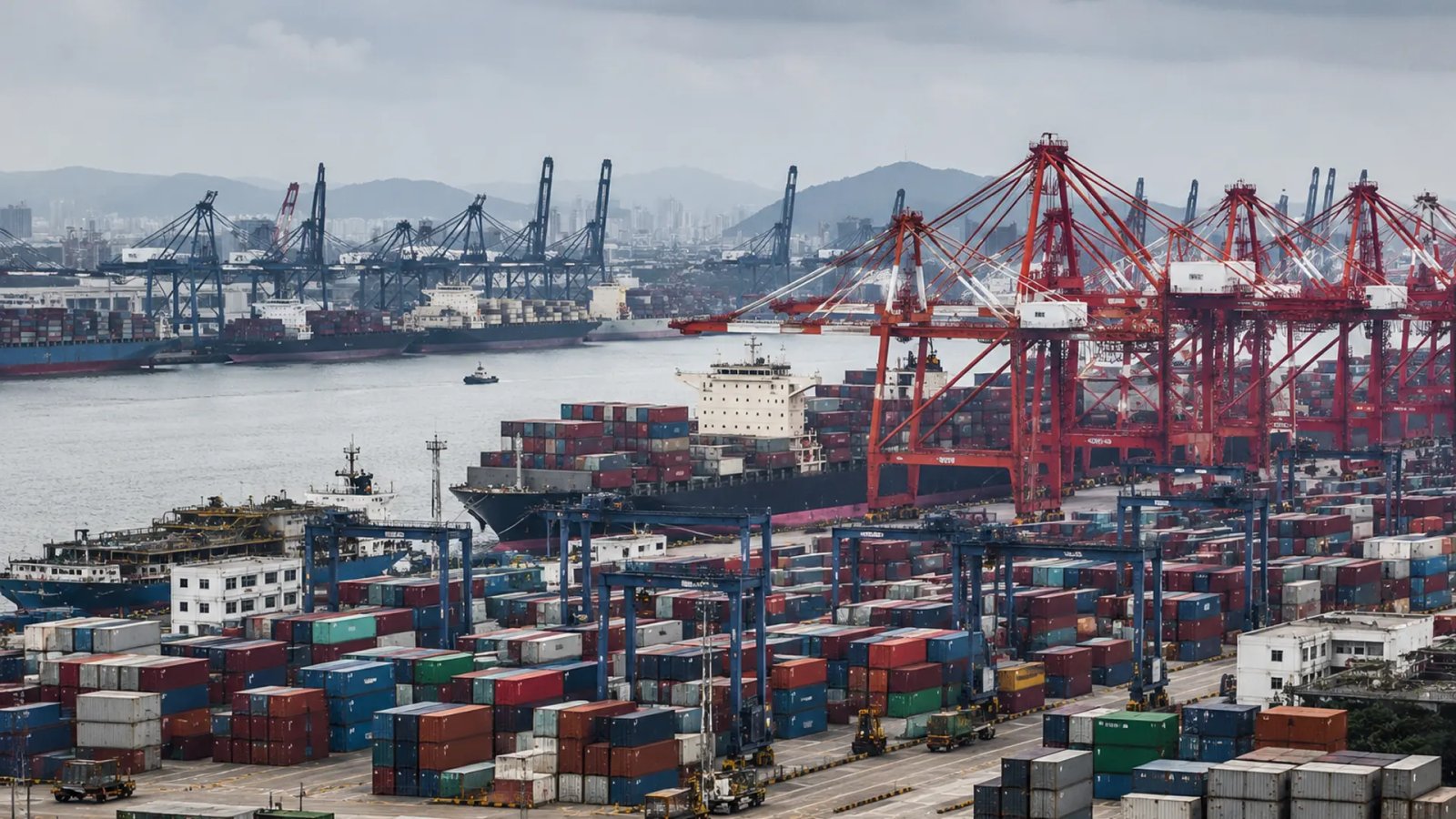
China's latest economic data points to a widening gap between strong export performance and weak domestic demand. While exports continue to support growth, economists say future momentum may depend on stronger consumer spending and investment.
China's economy grew at its slowest pace in more than three years during the second quarter, as softer consumer spending outweighed the resilience of manufacturing and exports. Gross domestic product (GDP) expanded 4.3% year-on-year between April and June, down from 5.0% in the first quarter and below the country's annual growth target range of 4.5% to 5.0%.
The weaker performance has increased expectations that Beijing may introduce additional policy support. However, many economists believe major stimulus measures are unlikely to be announced at the Communist Party's Politburo meeting later this month because of concerns over rising debt.
Recent economic indicators highlighted an uneven recovery. Retail sales increased 1.0% in June, while industrial output rose 5.3%, suggesting that manufacturing and overseas demand continue to outperform domestic consumption.
The data also reflected continued pressure on households and the property market. Property investment declined 18% during the first half of the year, home prices remained under pressure, and employment conditions continued to weigh on consumer spending. Many workers have shifted into gig economy jobs as hiring in traditional sectors remains subdued.
Investment activity weakened further during the first six months of the year. Fixed-asset investment contracted 5.7%, including a 2.3% decline in state-sector investment. Separate figures also showed that new bank lending in June was lower than expected.
Exports have become a key source of economic support. Trade data released a day earlier showed exports rising 27%, helped by strong demand linked to artificial intelligence and advance purchases by U.S. retailers before expected tariff increases later this year.
Despite the strength in exports, economists cautioned that external risks remain. Potential changes to U.S. tariffs, planned trade measures in Europe, and broader geopolitical uncertainty could affect overseas demand. Analysts noted that if exports begin to weaken, authorities may face greater pressure to strengthen domestic demand to maintain growth.

Reuters · 4 hours ago
Adyen is planning further expansion and hiring in India as it targets the country's growing digital payments and cross-border commerce marke...

Reuters · 1 day ago
U.S. households showed increased concerns about the labor market and their financial situation in August. While inflation expectations chang...

Reuters · 6 days ago
China’s new five-year plan aims to strengthen SMEs as a source of jobs, innovation and economic activity. The strategy includes greater fina...
From MyDigiFolio
One profile. Resume, vCard, portfolio, and email signatures — all generated in 3 minutes.
Build your page — freeWe use essential cookies for login and preferences, and optional cookies for analytics. Privacy policy.