BUSINESS
AI-Driven Tech Layoffs Surpass 200,000 in 2026, Raising Fears of a 1.6 Million Job Spillover Recession
MyDigiFolio Editors
3 min read
BUSINESS
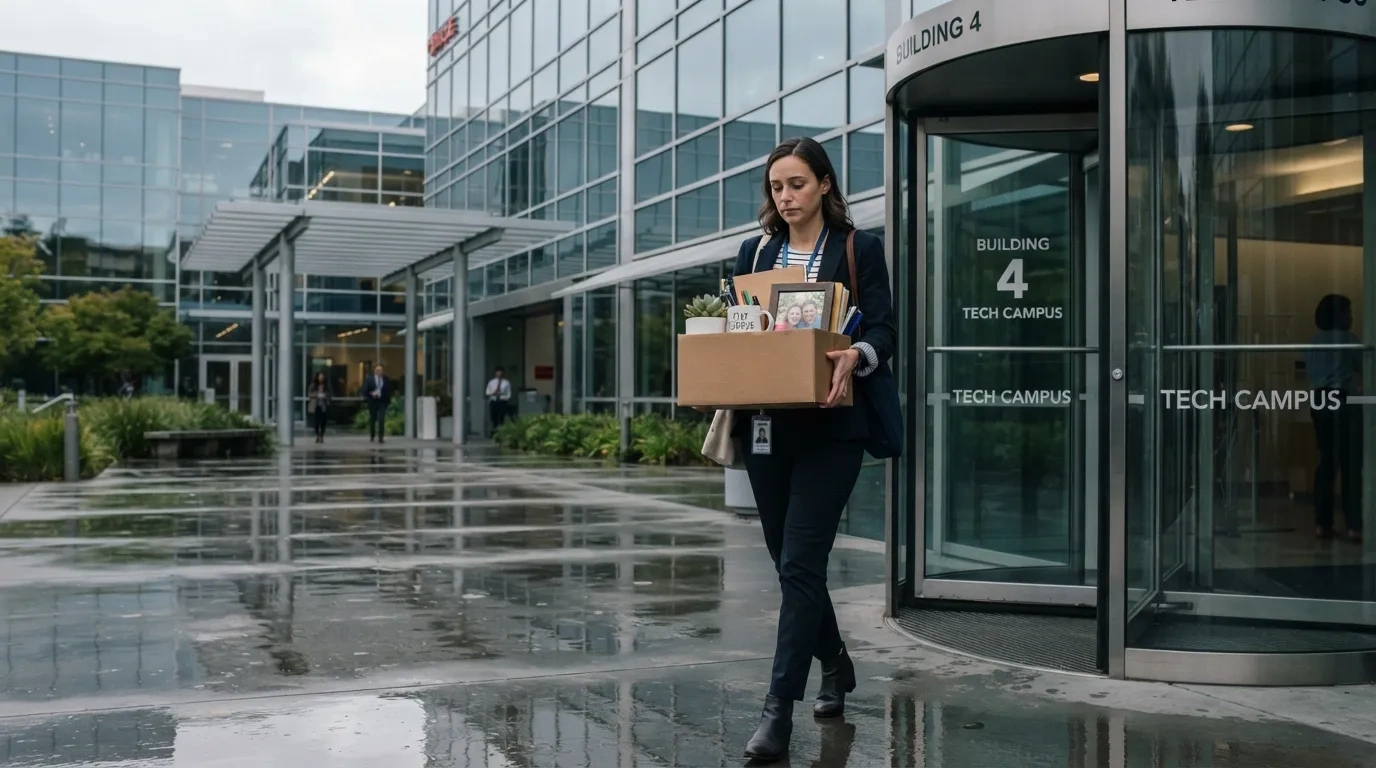
With over 200,000 technology workers laid off or offered voluntary buyouts in 2026—spanning profitable giants like Microsoft, Oracle, Amazon, Meta, and Canva—corporate restructuring is increasingly driven by a need to offset massive AI infrastructure outlays. According to Goldman Sachs, $3.2 trillion in off-balance-sheet AI capital commitments are pressuring margins where returns still lag expenditures. Analysts warn that if white-collar workforce reductions spill over into retail and financial services, an additional 1.6 million job losses could push the US unemployment rate into recession te
A wave of sweeping layoffs and voluntary buyouts has swept through the technology sector in 2026, raising macroeconomic alarms over whether AI-driven cost cutting could trigger a broader economic downturn. According to the TrueUp tech layoffs tracker, more than 200,000 technology employees have been eliminated or bought out so far in 2026—an acceleration over the previous year that is hitting profitable, high-revenue enterprises rather than distressed firms.
The primary catalyst behind the corporate belt-tightening is the immense capital expenditure required to build out artificial intelligence infrastructure. Alongside billions in direct balance-sheet outlays, Goldman Sachs estimates that $3.2 trillion in off-balance-sheet AI spending commitments are hanging over the sector. Because near-term commercial AI returns still fail to justify this capital scale, executives are slashing operating payrolls and leaning on automation to protect operating margins.
The Corporate Retrenchment Scorecard Major software and platform leaders have executed massive headcount restructurings throughout the year:
Big Tech & Cloud: Microsoft rolled out voluntary buyouts targeting 60,000 workers, Oracle eliminated 21,000 positions, Amazon cut 17,000 roles (on top of 14,000 in 2025), and Meta laid off 8,000 staff starting in May. Google similarly expanded its voluntary exit packages across five international hubs.
Consumer & Design Platforms: Uber reduced headcount by 3,300, Netflix cut 1,000, and Canva reduced its workforce by 22% (1,271 employees)—offering outgoing staff $10,000 grants, six months' salary, a year of healthcare, and MacBooks.
**The Rehiring Caveat: AI-driven cuts have occasionally backfired operationally, forcing enterprises such as Salesforce and Ford to rehire or recruit new personnel to plug unexpected workflow and execution gaps.
"While we may or may not see broadening layoffs, I’m concerned about the erosion of stable career pathways... Entry-level hires are down by a third in the most AI-exposed occupations since 2021." — Lisa Countryman-Quiroz, CEO, JVS Bay Area
Contagion Risks: Retail, Finance, and the Youth Pipeline While aggregate US layoff rates remain historically low, economists and workforce leaders are closely watching secondary spillover effects:
The 1.6 Million Job Threshold: Analysts warn that if AI-inspired labor pruning migrates beyond Silicon Valley into major employment engines like retail and financial services, the US economy could shed another 1.6 million jobs—pushing national unemployment toward formal recession levels.
Entry-Level Erosion: According to Lisa Countryman-Quiroz, CEO of workforce nonprofit JVS Bay Area, entry-level hiring in AI-exposed roles has fallen by one-third since 2021. With junior pathways shrinking in finance and retail, younger workers face prolonged job searches lasting over six months, leaving healthcare (which added 42,000 roles last month) as one of the few expanding career sanctuaries.
Midterm Backlash and Data Center Moratoriums The economic volatility is intersecting with shifting political headwinds following the 2026 US midterm elections. Public anger over soaring electricity bills and water consumption led several Democratic candidates—including Texas gubernatorial winner Gina Hinojosa—to campaign on data center moratoriums.
While pausing construction relieves local utility strain, any abrupt slowdown in data center buildouts risks chilling downstream demand for semiconductor suppliers, electrical contractors, and technical infrastructure roles, adding further caution to corporate capital spending heading into 2027.

BigGo Finance · 1 day ago
Global technology layoffs have surpassed 200,000 workers in 2026—already outpacing the 245,000 total recorded across all of 2025, according...

Staffing Industry Analysts · 4 days ago
Global freelance marketplace Upwork has expanded its corporate restructuring plan to eliminate roughly 37% of its total workforce—up sharply...

ETHRWorld (The Economic Times) · 1 week ago
PepsiCo is eliminating approximately 1,000 corporate and divisional jobs across its North American food and beverage business, according to...
From MyDigiFolio
One profile. Resume, vCard, portfolio, and email signatures — all generated in 3 minutes.
Build your page — freeWe use essential cookies for login and preferences, and optional cookies for analytics. Privacy policy.