AI & TECH
China Plans AI Job Impact Monitoring in New Five-Year Employment Strategy
MyDigiFolio Editors
2 min read
AI & TECH
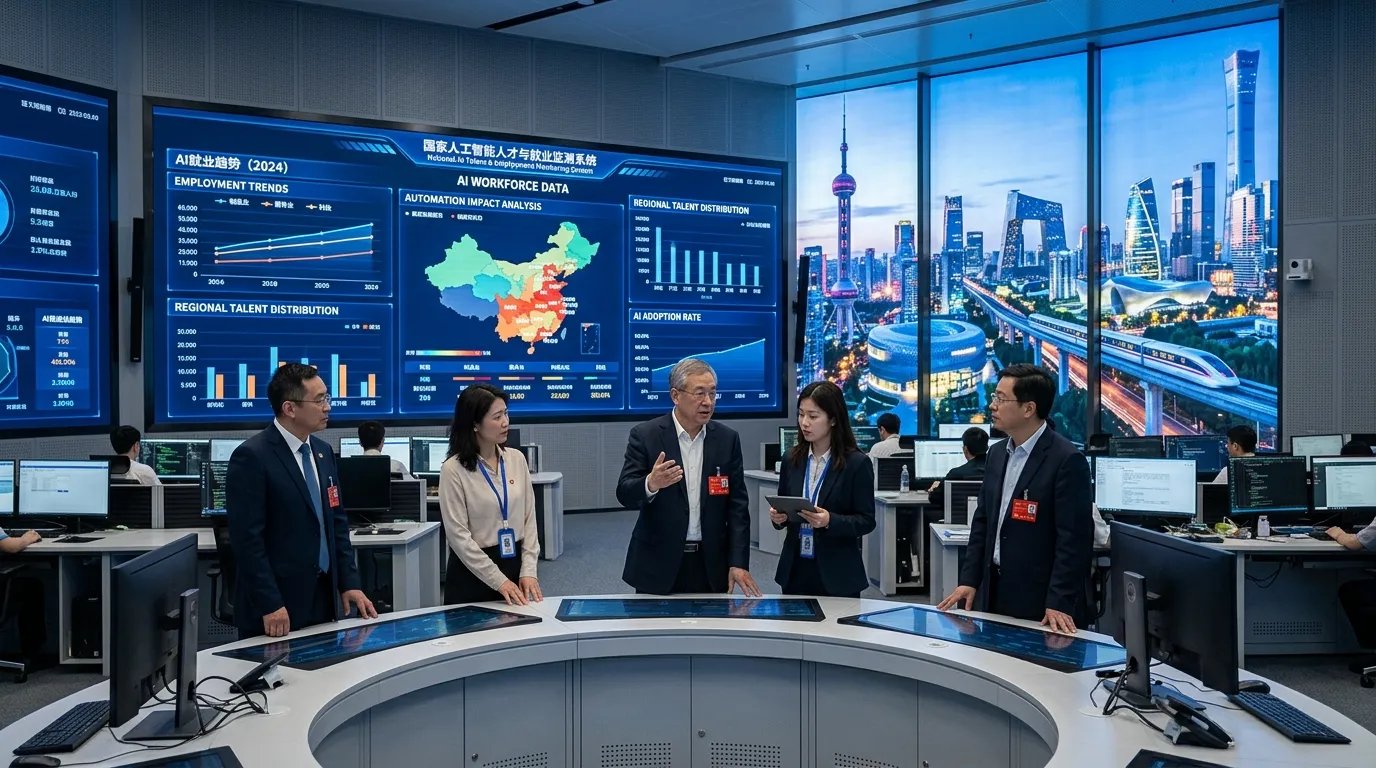
China has included AI workforce monitoring in its latest five-year employment strategy, reflecting growing concern about how automation could reshape jobs. The plan aims to track both job creation and displacement as AI adoption accelerates across industries.
China has unveiled a new employment strategy that places artificial intelligence at the center of workforce planning for the next five years.
As part of its 2026–2030 employment framework, the government intends to develop systems that assess how AI influences jobs across different sectors. The initiative includes exploring mechanisms that can identify employment risks early and provide insights into changes occurring within the labor market.
The move comes as China continues investing heavily in AI development while recognizing that rapid technological adoption may alter employment patterns for millions of workers.
Officials are expected to strengthen labor market monitoring through improved data collection and coordination among government agencies. The goal is to better understand how automation affects workforce demand and identify sectors that may require additional support.
At the same time, the strategy promotes the creation of new opportunities through AI-related industries and encourages greater collaboration between workers and intelligent technologies. The plan also highlights the importance of adapting employment policies to support changing workplace requirements.
The government further emphasized oversight of digital platform businesses and workforce protections for flexible and gig-economy workers, a growing segment of China’s labor market.
While the plan outlines intentions to study and monitor AI’s employment effects, many implementation details remain under development. No specific long-term employment targets were announced as part of the strategy.
The announcement signals that China is preparing for both the opportunities and challenges associated with large-scale AI adoption, balancing technological growth with workforce stability concerns.

Moneycontrol · 3 days ago
Young workers appear to be facing a greater impact from AI-related changes in hiring, particularly in occupations where more tasks can be au...

Reuters · 3 days ago
Meta's attempt to rapidly reshape its workforce around AI faced resistance from employees and challenges with the technology itself. The com...
ABC11 / WTVD · 6 days ago
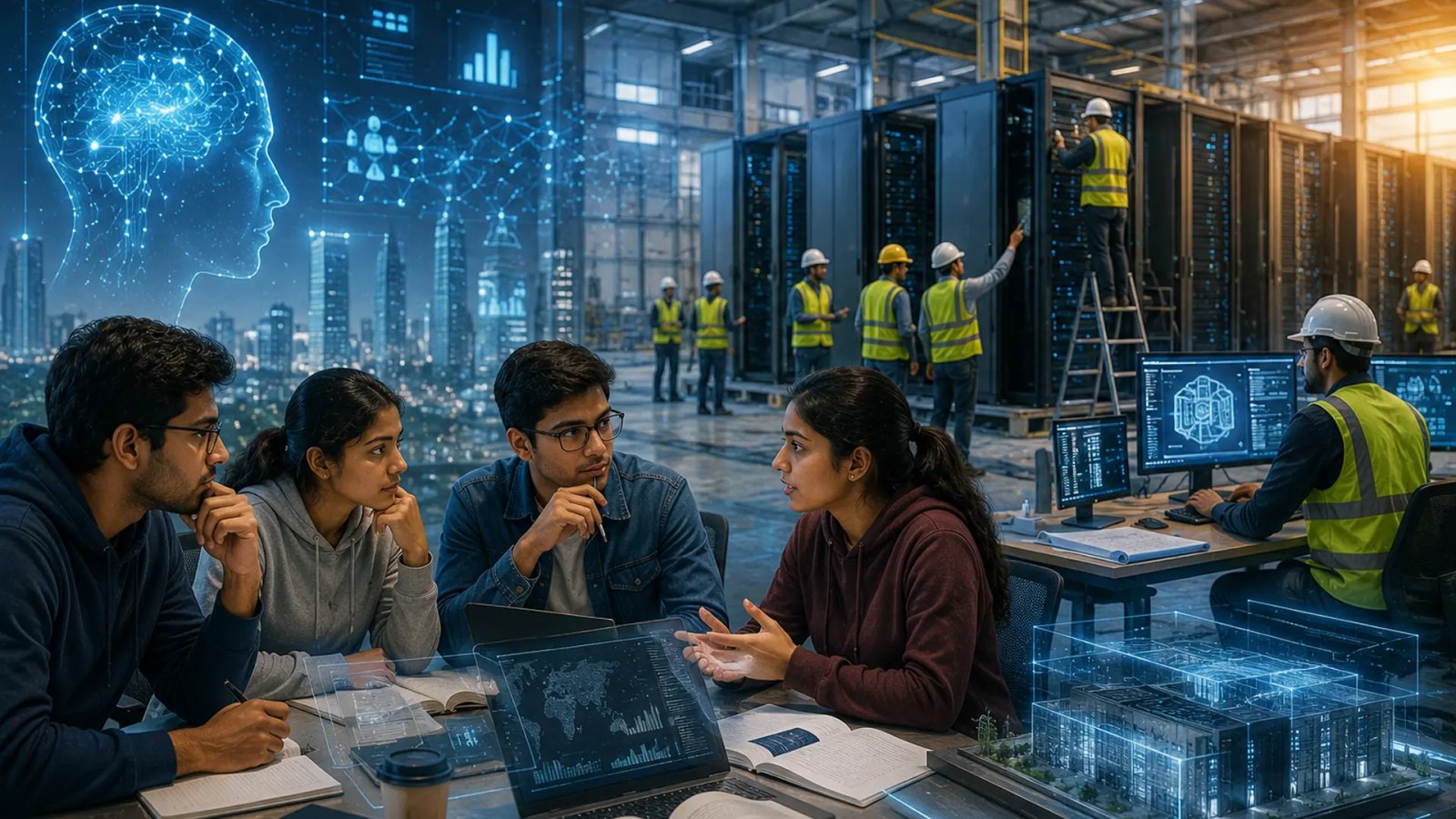
AI is beginning to influence not only how work is performed but also the career and education choices people make before entering the workfo...
From MyDigiFolio
One profile. Resume, vCard, portfolio, and email signatures — all generated in 3 minutes.
Build your page — freeWe use essential cookies for login and preferences, and optional cookies for analytics. Privacy policy.