AI & TECH
UN Report Warns AI Boom Could Double Data Centre Power and Water Use by 2030
MyDigiFolio Editors
2 min read
AI & TECH
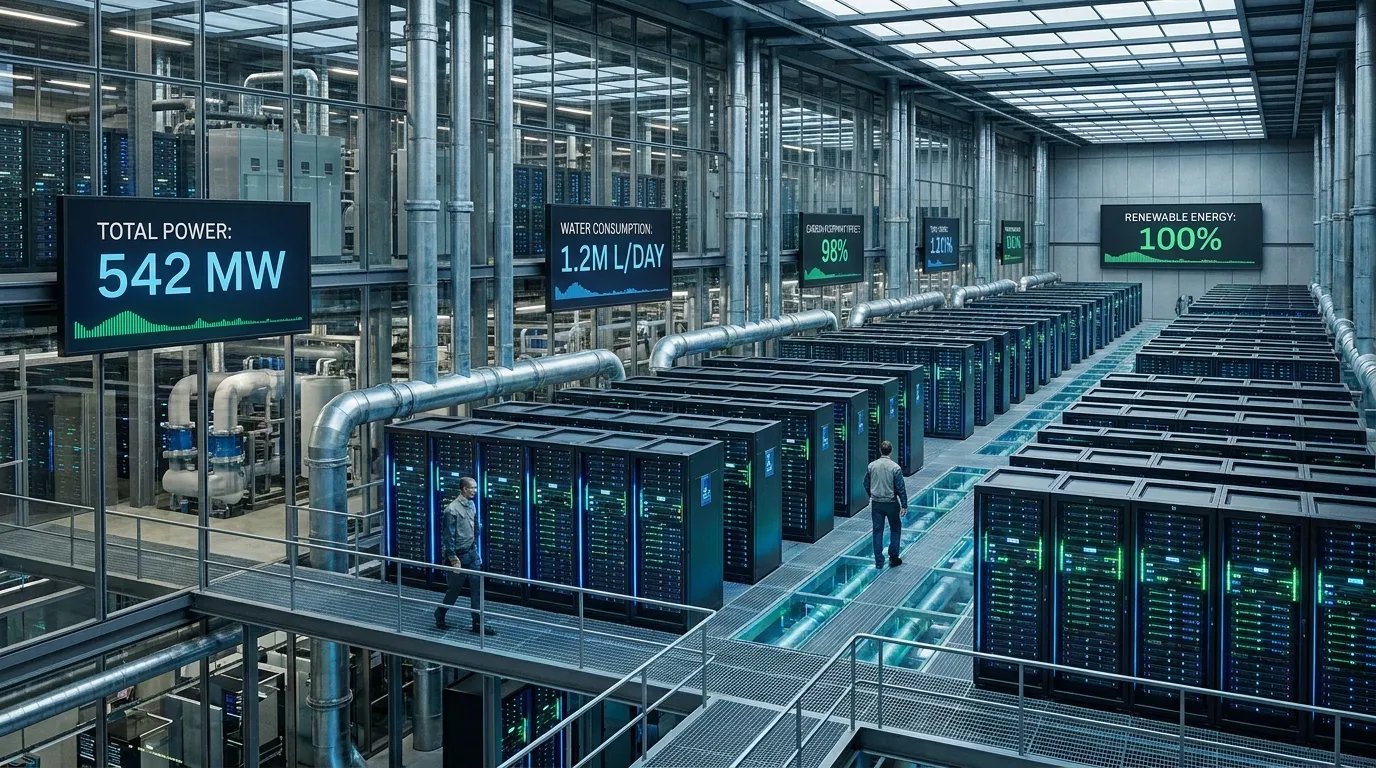
A new UN-backed report highlights the growing environmental impact of artificial intelligence infrastructure. Researchers warn that expanding data centre capacity to support AI could significantly increase electricity use, water consumption, land requirements, and carbon emissions by the end of the decade.
The rapid growth of artificial intelligence is expected to place increasing demands on global infrastructure, with data centres projected to consume substantially more electricity and water by 2030.
According to a report from the United Nations University Institute for Water, Environment and Health, data centre power consumption is expected to rise sharply as organisations continue investing in AI technologies and computing capacity.
Researchers reported that data centres consumed 448 terawatt-hours of electricity worldwide last year, with artificial intelligence accounting for around one-fifth of that usage. By 2030, annual electricity consumption from data centres is projected to reach 945 terawatt-hours.
Water use is also expected to increase significantly. The report estimates that data centres consumed 4.5 trillion litres of water last year and could require approximately 9.3 trillion litres annually by the end of the decade.
The study further noted that data centres generated 189 million tons of carbon dioxide emissions last year. That figure is projected to rise to 399 million tons by 2030 as infrastructure expands to meet growing AI demand.
Researchers emphasized that artificial intelligence should not be viewed solely as software. They pointed to the physical infrastructure required to support AI systems, including data centres, electricity generation, cooling equipment, transmission networks, computer chips, minerals, land, and water resources.
The report also forecasts significant growth in the land area occupied by data centres. The global footprint is expected to expand from approximately 6,900 square kilometres last year to more than 14,500 square kilometres by 2030.
While AI may help improve efficiency in areas such as energy management and resource optimisation, researchers said overall demand for electricity and water is still expected to increase as governments and companies continue building new facilities.
The report calls for careful planning as AI infrastructure expands, warning that resource pressures could become more noticeable in areas already facing challenges related to water, energy, or land availability.

Reuters · 1 day ago
Goldman Sachs has opened a dedicated engineering office in Bellevue for more than 125 employees working on AI and cloud transformation. The...

India Today · 1 week ago
AI hiring demand in India has grown by about 30% compared with last year, according to an InCruiter survey. Employers are increasingly valui...

CBRE · 1 week ago
AI is expected to moderate office employment growth in New Zealand rather than reverse it. CBRE's analysis suggests AI will primarily augmen...
From MyDigiFolio
One profile. Resume, vCard, portfolio, and email signatures — all generated in 3 minutes.
Build your page — freeWe use essential cookies for login and preferences, and optional cookies for analytics. Privacy policy.