TOP STORIES
Startup Co-Founder Warns of 'Trust Crisis' After Reddit Post Urges Engineering Grads to Cheat Hiring Tests
MyDigiFolio Editors
2 min read
TOP STORIES

A viral Reddit post from a 2026 computer science graduate claimed that students using remote-access tools and hidden AI during technical tests secure jobs faster than peers dedicating months to DSA and projects. Responding to the post, a startup co-founder cautioned that the phenomenon is mutating into a widespread "trust problem." If honest students conclude that preparation is futile compared to bypassing screening filters, confidence in remote hiring collapses.
A heated debate has emerged across developer and recruitment networks after a 2026 computer science graduate posted a provocative message on Reddit advising engineering students to stop spending months mastering data structures and algorithms (DSA) and instead learn how to circumvent screening systems.
The graduate, who claimed to have secured an MNC role, alleged that candidates dedicating extensive effort to core DSA, full-stack stacks, and AI agents frequently hit placement roadblocks, whereas applicants using clandestine methods bypass assessment screens quickly. The post detailed the use of remote desktop utilities—such as RustDesk, UltraViewer, and Parsec—alongside real-time AI assistants like Copilot to feed answers during proctored tests and live virtual interviews, adding that such practices often carry over into internal corporate training evaluations.
A startup co-founder responded to the viral thread on LinkedIn, emphasizing that dismissing the post as mere provocation ignores a severe underlying shift in incentives:
"The concern is not simply that some candidates cheat. It is what happens when students who are preparing honestly start wondering whether they are being disadvantaged by doing so... turning a placement problem into a trust problem."
Structural Strain on Automated Hiring The controversy shines a light on friction points within remote-first hiring pipelines:
The discourse underlines that as hiring mechanisms adjust, the real risk lies in demoralizing sincere job seekers and eroding mutual trust between candidates, automated recruiting platforms, and tech employers.
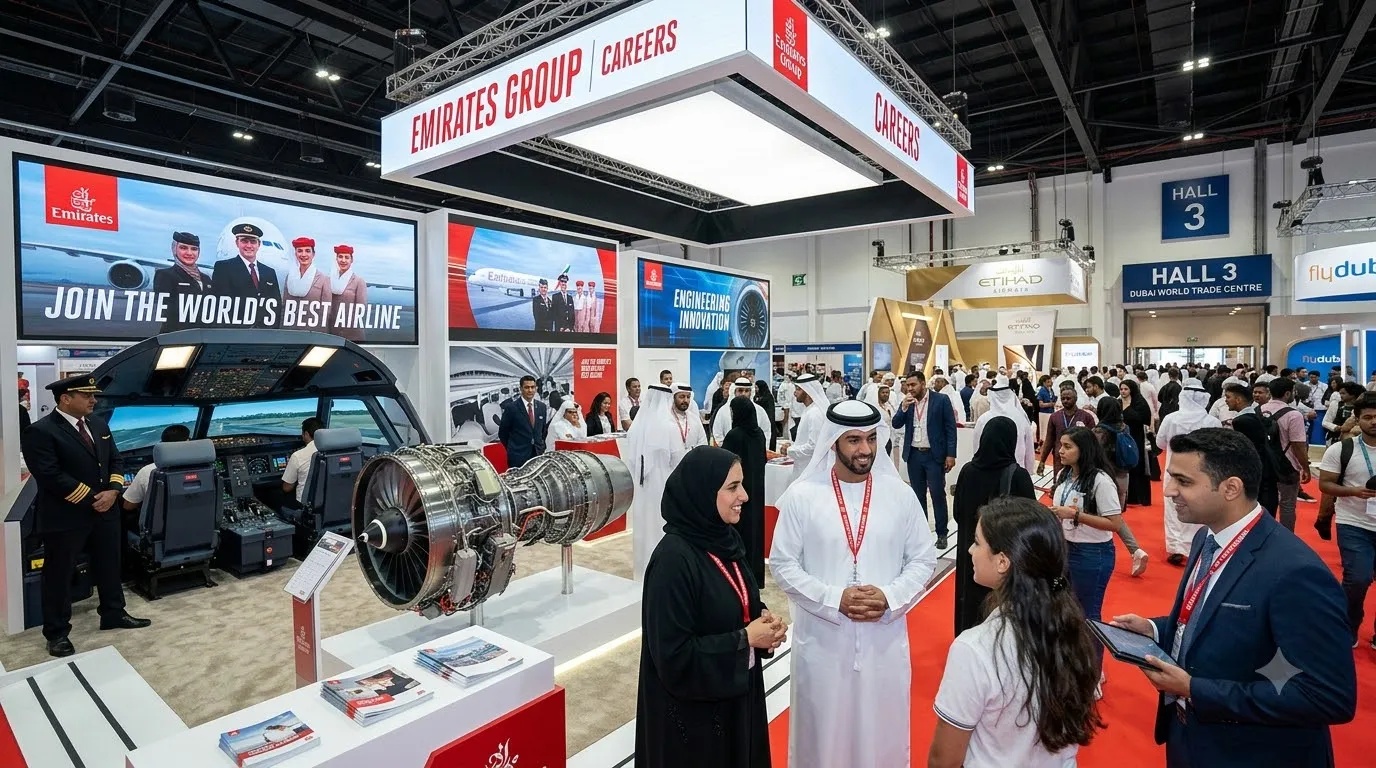
Gulf News · 8 hours ago
Emirates Group is presenting a broad spectrum of career programs for UAE national students, graduates, and professionals at Ru’ya Careers UA...
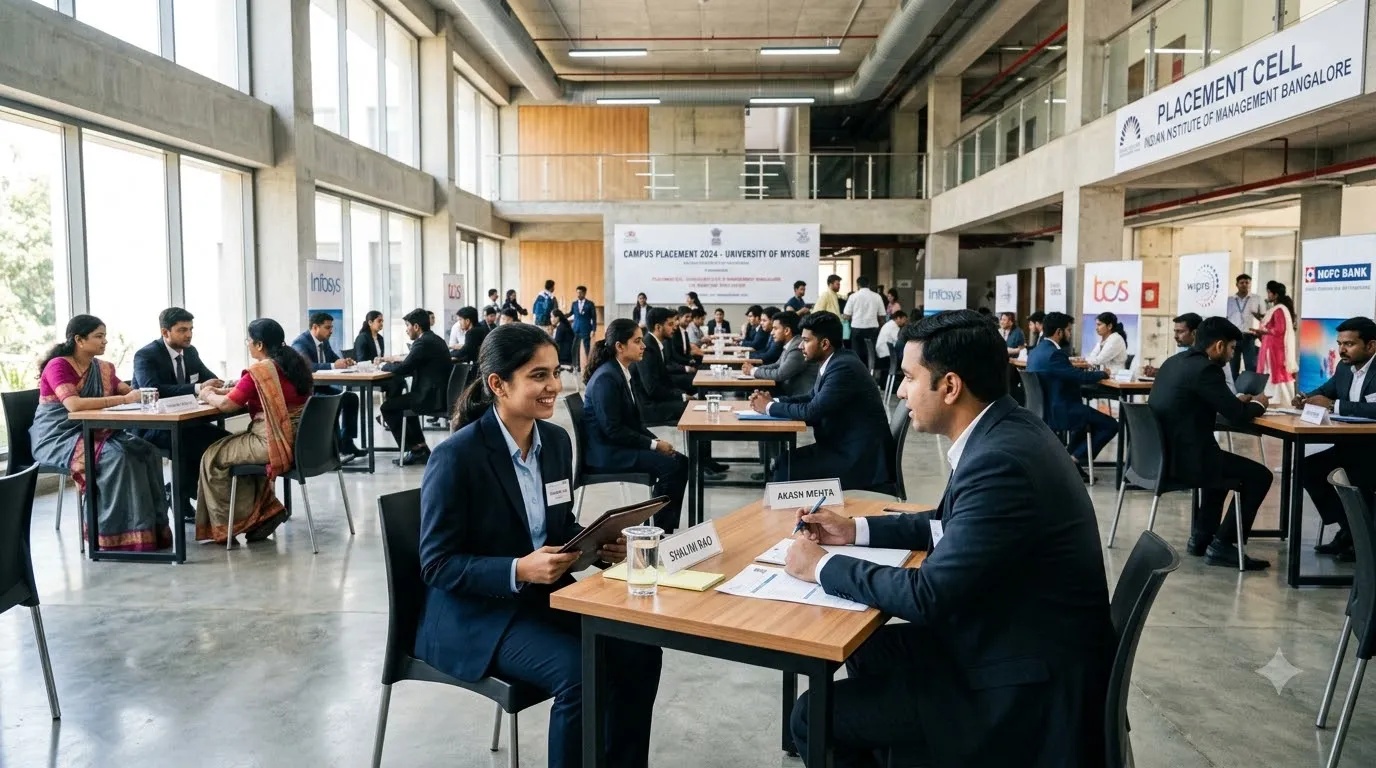
The Economic Times · 8 hours ago
India's campus recruitment remains resilient but increasingly selective, with employers prioritizing specialized skills, practical readiness...

The Economic Times · 8 hours ago
BMW is eliminating roughly 8,000 positions in Germany as part of a sweeping operational transformation aimed at lowering structural overhead...
From MyDigiFolio
One profile. Resume, vCard, portfolio, and email signatures — all generated in 3 minutes.
Build your page — freeWe use essential cookies for login and preferences, and optional cookies for analytics. Privacy policy.