TOP STORIES
OpenAI in Talks to Buy Google TPU Chips in Push to Break Free From Nvidia Monopoly
MyDigiFolio Editors
2 min read
TOP STORIES
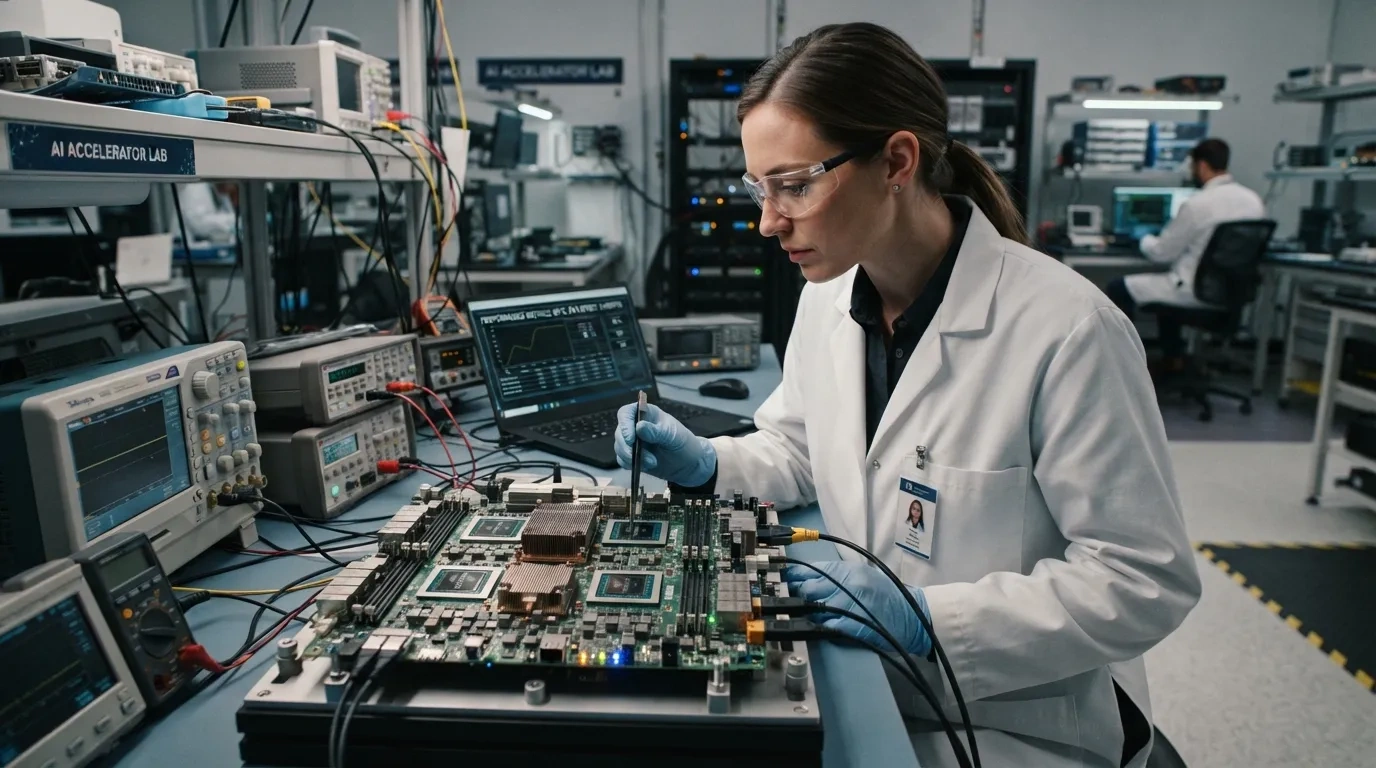
OpenAI is in talks to purchase custom AI chips from arch-rival Google, according to people familiar with the matter, opening a surprising commercial pipeline between the two competitors. As the ChatGPT maker races to expand computing capacity and reduce its reliance on Nvidia’s dominant GPUs, the procurement push runs alongside its in-house "Jalapeno" silicon roadmap developed with Broadcom. The move underscores an industry-wide shift toward diversified hardware architectures.
In a development that underscores the severe shortage of artificial intelligence processing capacity, OpenAI is in discussions to purchase custom AI semiconductors directly from Alphabet Inc.’s Google, according to sources familiar with the negotiations.
While commercial terms and transaction volumes remain private, the procurement talks mark an unprecedented hardware pact between the tech sector's fiercest generative AI rivals.
Sourcing Compute Across Battle Lines The push to acquire Google's custom silicon—known as Tensor Processing Units (TPUs)—comes as OpenAI scrambles to secure every available gigawatt of compute to train and serve next-generation models:
The TPU Alternative: Google began engineering its proprietary TPUs more than a decade ago to optimize internal search indexing. Over successive generations, the application-specific integrated circuits (ASICs) have evolved into one of the only viable high-scale enterprise alternatives to Nvidia’s flagship graphics processing units (GPUs).
"The next generation of AI will require a diverse range of compute." — Amin Vahdat, Vice President and Head of Systems and Cloud Infrastructure, Google
The Multipronged Silicon Strategy OpenAI's interest in Google silicon is part of a deliberate, multi-track effort to loosen Nvidia's pricing grip on the frontier AI sector:
First-Party 'Jalapeno' Silicon: Alongside third-party merchant chips, OpenAI has designed its own in-house inference processors, dubbed Jalapeno, developed in partnership with semiconductor designer Broadcom Inc.
The Google Lineage: The engineering talent steering OpenAI’s internal hardware division shares deep ties with Alphabet. Richard Ho, who leads OpenAI’s in-house silicon group, previously served as a senior technical lead on Google’s TPU engineering teams, bringing institutional knowledge of custom ASIC fabrication and interconnect fabric directly to OpenAI's roadmap.
With hyperscalers and labs facing relentless compute demand from agentic AI workflows, OpenAI’s willingness to buy silicon from Google confirms that in the race for infrastructure supremacy, pragmatism beats corporate rivalry.
Business Standard · 1 week ago
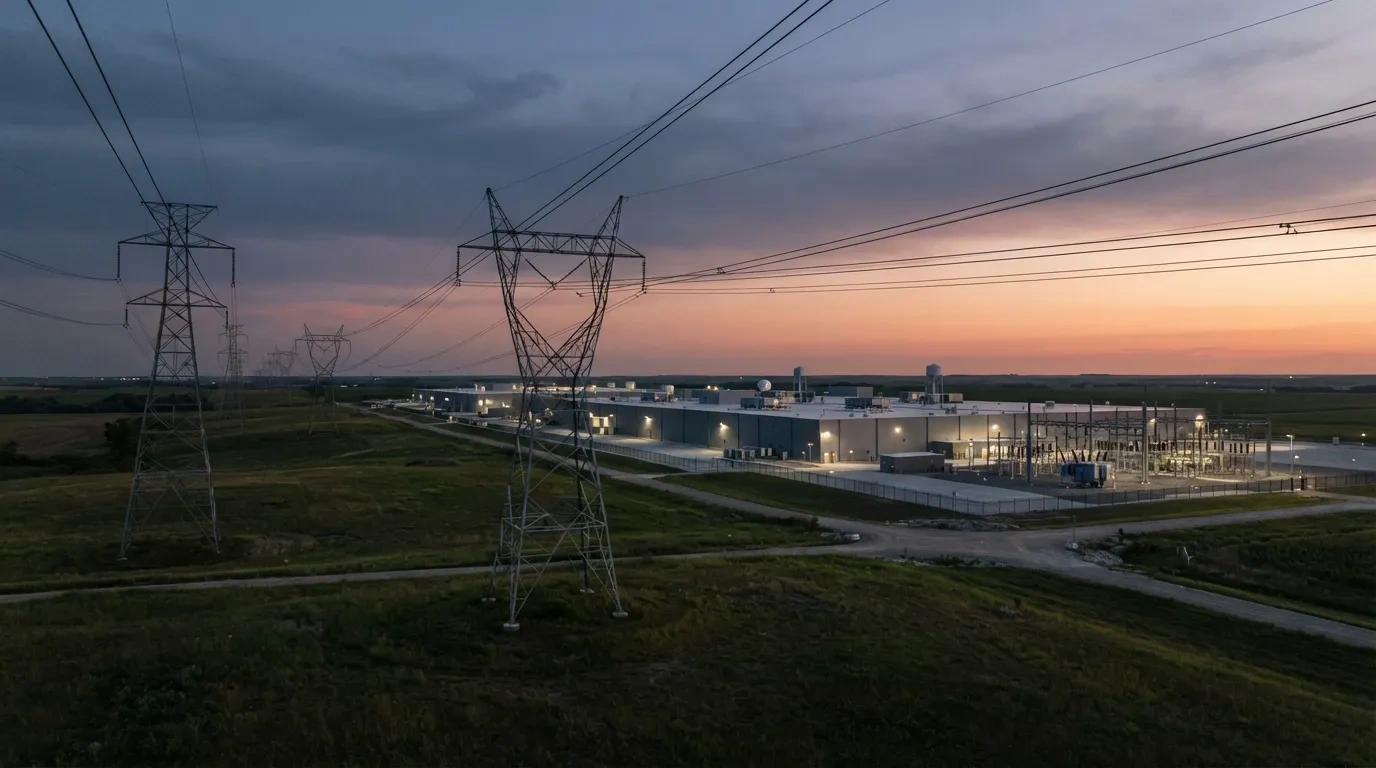
The US Senate voted 73-25 to advance landmark bipartisan permitting reform designed to break years-long interconnection bottlenecks for powe...

Business Standard · 1 week ago
The era of unrestricted corporate API usage is giving way to strict unit economics as Amazon, Microsoft, Meta, and Uber push back against "t...
Business Standard · 1 week ago
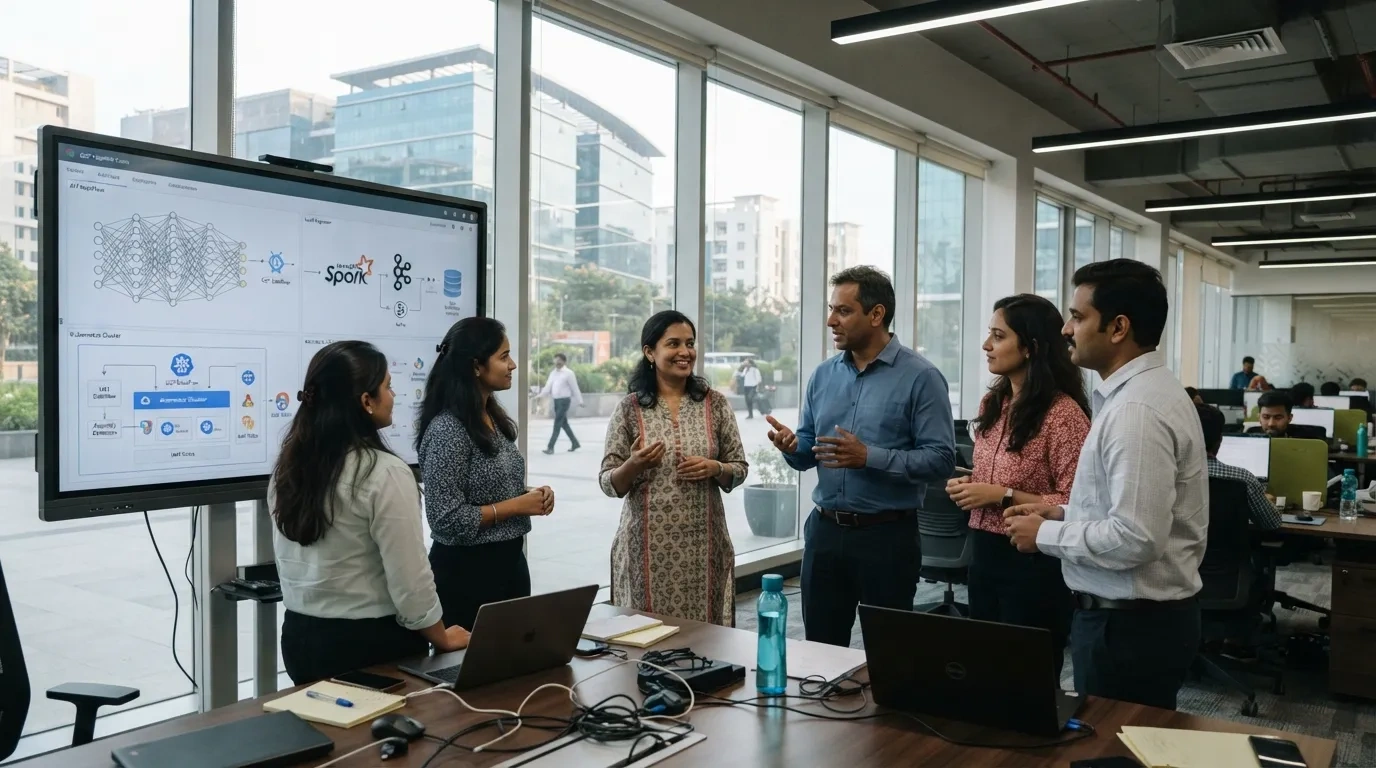
Technology recruitment across India's Global Capability Centres (GCCs) fell 3.5% sequentially in Q2 FY27 as multinational parent firms shift...
From MyDigiFolio
One profile. Resume, vCard, portfolio, and email signatures — all generated in 3 minutes.
Build your page — freeWe use essential cookies for login and preferences, and optional cookies for analytics. Privacy policy.