AI & TECH
Meta Smart Glasses Spark Privacy Debate as Sales Continue to Surge
MyDigiFolio Editors
4 min read
AI & TECH
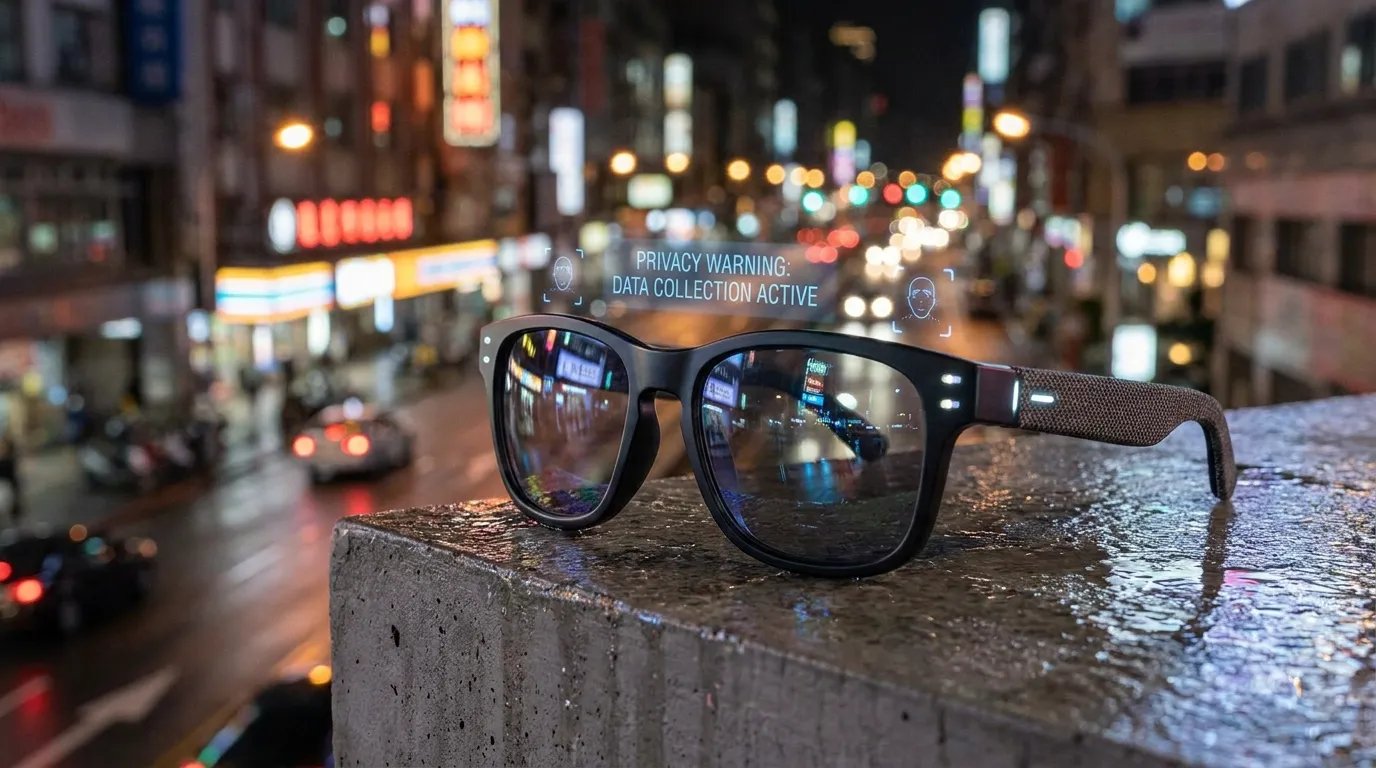
Smart glasses powered by AI are rapidly becoming mainstream, led by Meta’s Ray-Ban smart glasses. But as adoption grows, privacy concerns are intensifying around hidden recording, facial recognition, consent and public surveillance. Despite criticism, tech giants including Apple, Google and Snap are pushing aggressively into the smart glasses market.
Meta Smart Glasses Facing Growing Privacy Backlash
Meta’s Ray-Ban smart glasses are becoming one of the fastest-growing consumer electronics products globally, but critics say the technology is creating serious privacy concerns.
The glasses feature:
Because the camera is extremely discreet, many people reportedly do not realise they are being recorded in public spaces.
Viral Social Media Trend Raising Concerns
The report highlights growing complaints from women who say they were secretly filmed by people wearing smart glasses in:
Videos are later uploaded online, often without consent.
Some victims only discover recordings after:
Legal options remain limited because recording in public areas is generally lawful in many countries.
Meta Dominating Smart Glasses Market
According to the report:
Mark Zuckerberg described the glasses as:
The glasses were developed through a partnership between:
More Tech Giants Entering the Smart Glasses Race
Several major technology companies are now preparing competing products.
Expected entrants include:
These next-generation devices are expected to combine:
Google Glass Privacy Concerns Returning
The BBC report notes similarities between current smart glasses concerns and the backlash against:
Google’s earlier smart glasses product failed partly due to:
Experts believe similar concerns could reappear at much larger scale.
AI Features Increasing Privacy Risks
Privacy experts warn future smart glasses could become even more invasive.
The report says Meta is reportedly exploring:
This could allow users to:
Critics say this creates serious risks involving:
Smart Glasses Being Used for Pranks and Hidden Filming
A growing number of social media creators are reportedly using smart glasses to record:
Examples mentioned include:
Many people reportedly react negatively once they discover someone nearby is wearing AI recording glasses.
Internal Controversy Around Meta’s Data Usage
The article also references lawsuits involving Meta smart glasses users.
Some users claim:
Workers in:
reportedly reviewed graphic content including:
Meta has stated users were informed through its terms of service.
Smart Glasses Could Become Mainstream
Researchers predict:
This raises concerns about enforcement in sensitive places such as:
Experts say it may become increasingly difficult to know when someone is recording.
Privacy Experts Warning About Future Risks
Privacy lawyers and AI researchers say society may not yet be prepared for:
Former Meta AI researcher:
described the technology as:
Supporters Say the Technology Is Useful
Some users say the glasses provide practical benefits including:
Supporters argue smart glasses could become:
Key Highlights
Tags

Reuters · 3 days ago
Adecco believes artificial intelligence will reshape how work is performed instead of triggering widespread unemployment. The company says o...

Reuters · 4 days ago
Strong customer demand for AI-powered automation helped ServiceNow deliver better-than-expected quarterly performance and increase its full-...

Reuters · 4 days ago
The lawsuit underscores the growing legal questions surrounding AI's role in employment decisions. It also shows how limited access to inter...
From MyDigiFolio
One profile. Resume, vCard, portfolio, and email signatures — all generated in 3 minutes.
Build your page — freeWe use essential cookies for login and preferences, and optional cookies for analytics. Privacy policy.