AI & TECH
Google Unveils New Gemini AI Smart Glasses Ahead Of Fall Launch
MyDigiFolio Editors
2 min read
AI & TECH
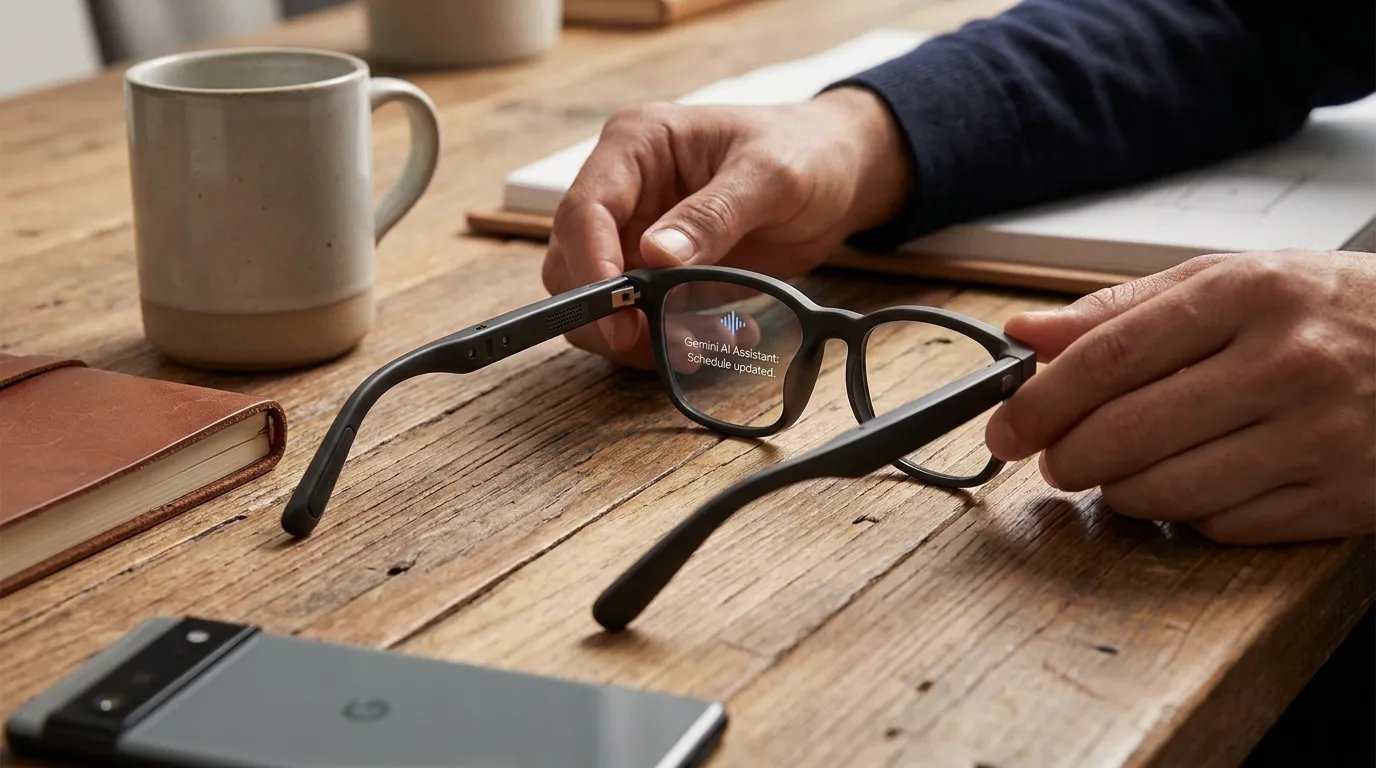
Google’s Gemini smart glasses show how the AI race is rapidly shifting into wearable technology. Rather than focusing purely on futuristic AR displays, Google is betting on lightweight AI assistants integrated into everyday eyewear — positioning smart glasses as a practical gateway to always-on AI experiences.
Google has officially previewed its new AI-powered smart glasses during its annual developer conference, marking the company’s latest push into the fast-growing wearable AI market.
The upcoming glasses will integrate:
Google’s AI Glasses Strategy
Unlike display-heavy AR headsets, Google’s first-generation wearable focuses mainly on:
Users will receive:
Google said the glasses are designed to:
Partnerships Behind The Glasses
Google partnered with:
to develop stylish consumer-focused AI eyewear.
The company described these as:
Features Demonstrated
During the live demo, Google showcased several Gemini-powered capabilities including:
One demonstration showed Gemini:
Google also revealed AI image transformation tools using:
Users can reportedly say commands such as:
Growing Competition In AI Wearables
Google enters a rapidly expanding AI wearables market currently led by: Meta through its Ray-Ban smart glasses partnership.
Meta reportedly sold:
Other companies developing AI glasses include:
Privacy Questions Remain
While Google highlighted AI functionality and ecosystem integration, the company did not provide detailed information regarding:
Privacy concerns continue to grow across the smart-glasses industry as wearable AI devices increasingly include:
Why This Matters
The announcement signals that major tech companies are now aggressively competing to define:
The industry increasingly sees AI wearables as:
Google’s strategy focuses on:
Financial Times · 11 hours ago
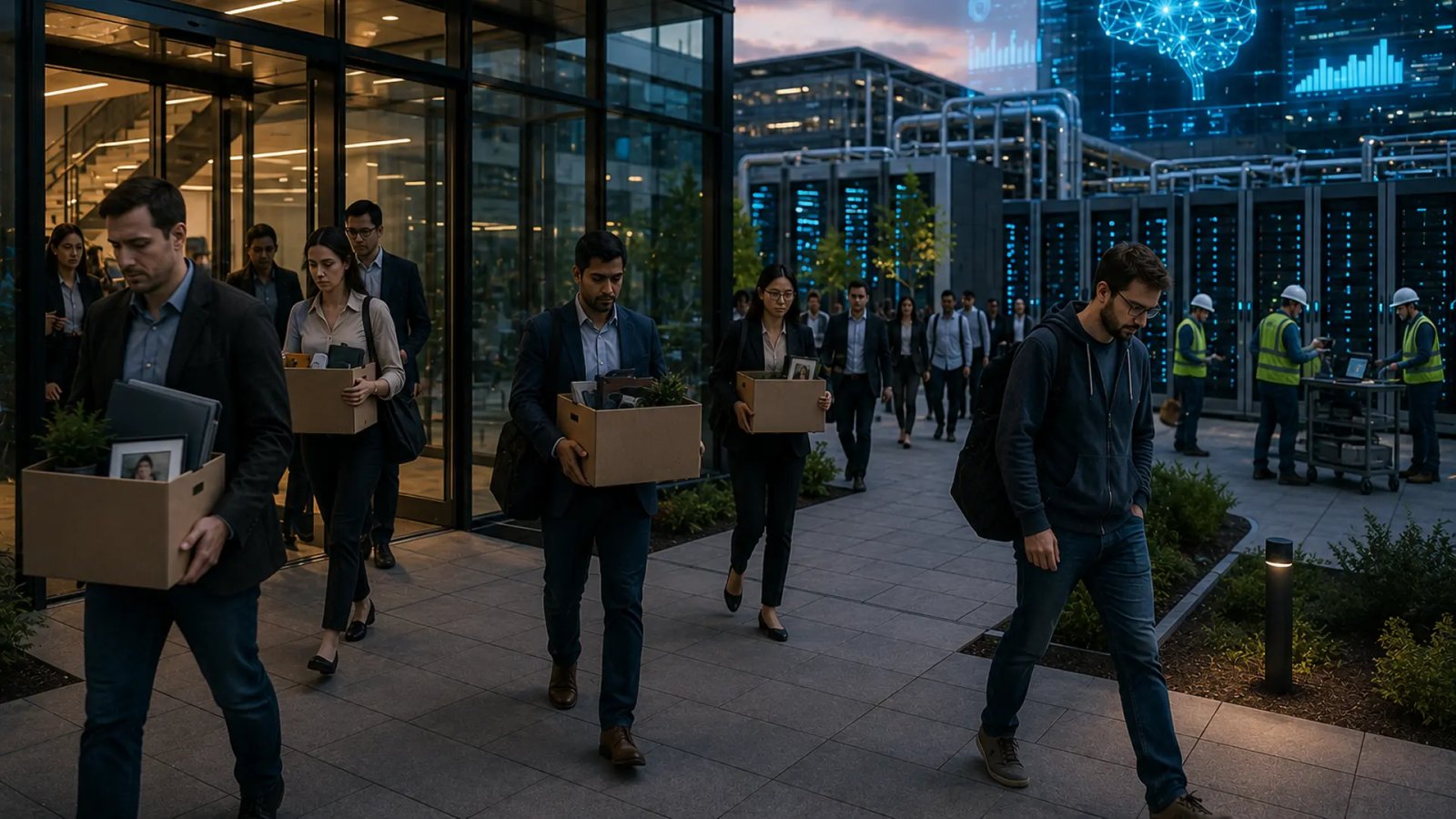
Major technology companies are continuing to reduce headcount while prioritizing large investments in AI infrastructure. Although layoffs re...

Reuters · 3 days ago
Adecco believes artificial intelligence will reshape how work is performed instead of triggering widespread unemployment. The company says o...

Reuters · 4 days ago
Strong customer demand for AI-powered automation helped ServiceNow deliver better-than-expected quarterly performance and increase its full-...
From MyDigiFolio
One profile. Resume, vCard, portfolio, and email signatures — all generated in 3 minutes.
Build your page — freeWe use essential cookies for login and preferences, and optional cookies for analytics. Privacy policy.