TOP STORIES
APPCB Chairman Directs Kurnool Industries to Prioritise Local Hiring, Skill Training, and Pollution Control
MyDigiFolio Editors
2 min read
TOP STORIES
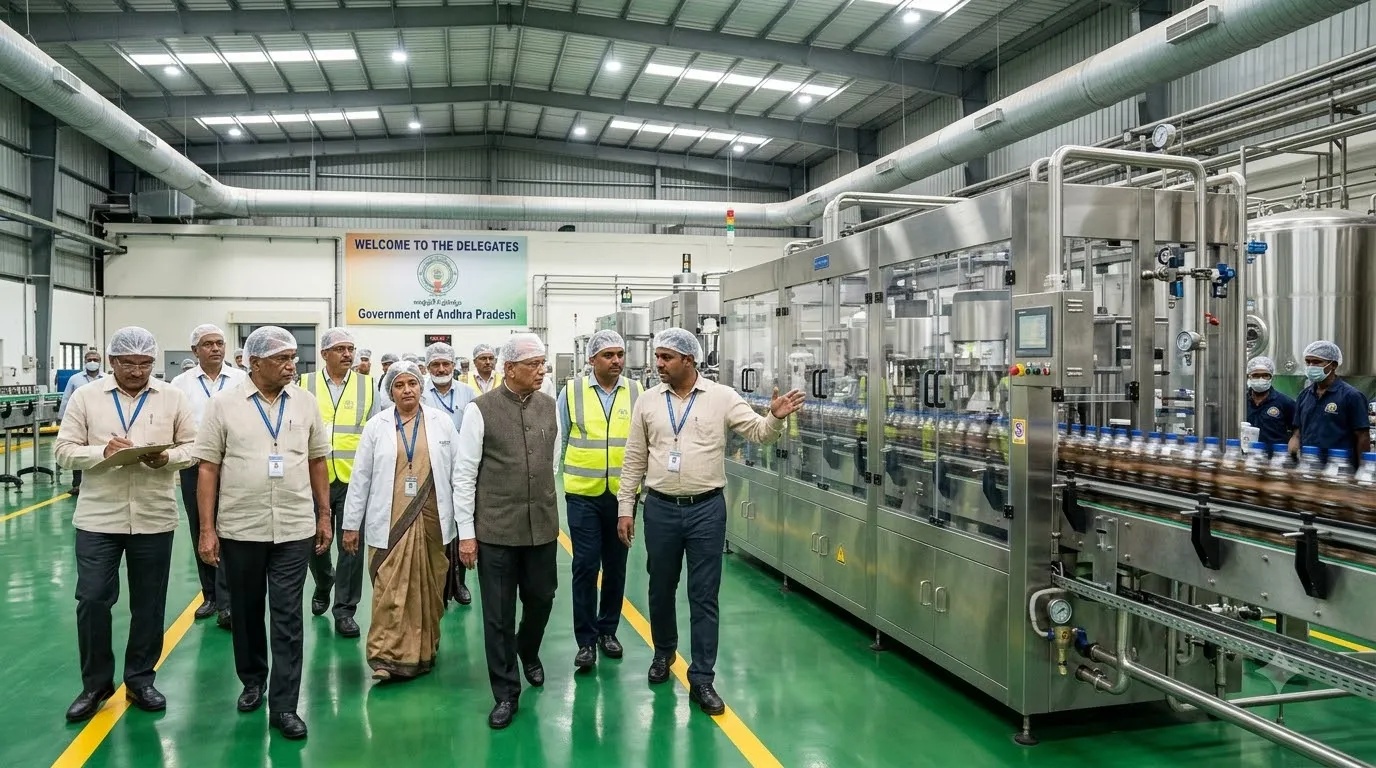
During inspections of industrial plants in Kurnool district, Andhra Pradesh Pollution Control Board Chairman Dr. P. Krishnaiah directed companies to strictly enforce environmental safeguards while giving priority hiring and skill development to local rural youth. Officials also urged manufacturing units to procure raw produce directly from regional farmers and expand community development through Corporate Social Responsibility initiatives.
Andhra Pradesh Pollution Control Board (APPCB) Chairman Dr. P. Krishnaiah, accompanied by District Collector Dr. A. Siri, conducted on-site inspections at major industrial facilities in Kurnool district, mandating strict pollution compliance and demanding expanded employment avenues for local residents.
The review covered the Reliance Consumer Products Limited manufacturing facility at Brahmanapalli and the Jai Raj Ispat Limited plant near Guttapadu village in Orvakal mandal.
Local Procurement and Industrial Sourcing During the inspection of the Reliance beverage manufacturing unit, Dr. Krishnaiah advised company leadership to integrate regional agricultural produce into supply chains:
Local Sourcing: In addition to Totapuri and Alphonso varieties, the plant was urged to source the indigenous Banaganapalle mango variety in large quantities directly from local farmers.
R&D Integration: Research was recommended on utilizing Banaganapalle mangoes as a primary component or balanced blend in commercial juice processing.
Priority Employment and Skill Development Both the APPCB Chairman and District Collector stressed that industrial expansion must translate into tangible social and economic gains for nearby communities:
First Priority Hiring: Industrial managements were directed to accord primary employment consideration to families residing in adjoining rural zones.
Overcoming Skill Barriers: District Collector Dr. A. Siri emphasized that a lack of technical training must not block local hiring, calling on enterprises to conduct customized training programs aligned with plant requirements.
CSR Commitments: Industries were instructed to support local infrastructure and civic needs through active Corporate Social Responsibility (CSR) investments, alongside tree-planting initiatives across facility perimeters.

The Economic Times · 1 day ago
The UK has implemented an updated Code of Practice raising civil penalties for illegal working up to £60,000 per worker while extending liab...
The Times of India · 1 day ago
The Delhi Subordinate Services Selection Board has released notification 04/2026 to recruit for 641 non-judicial positions across Delhi Dist...

The Economic Times · 1 day ago
Major global employers across consumer goods, gaming, and aviation are cutting headcount, with Nike deepening its Pace restructuring, Europe...
From MyDigiFolio
One profile. Resume, vCard, portfolio, and email signatures — all generated in 3 minutes.
Build your page — freeWe use essential cookies for login and preferences, and optional cookies for analytics. Privacy policy.