BUSINESS
Air India cuts 22% domestic flights amid rising fuel costs
MyDigiFolio Editors
2 min read
BUSINESS
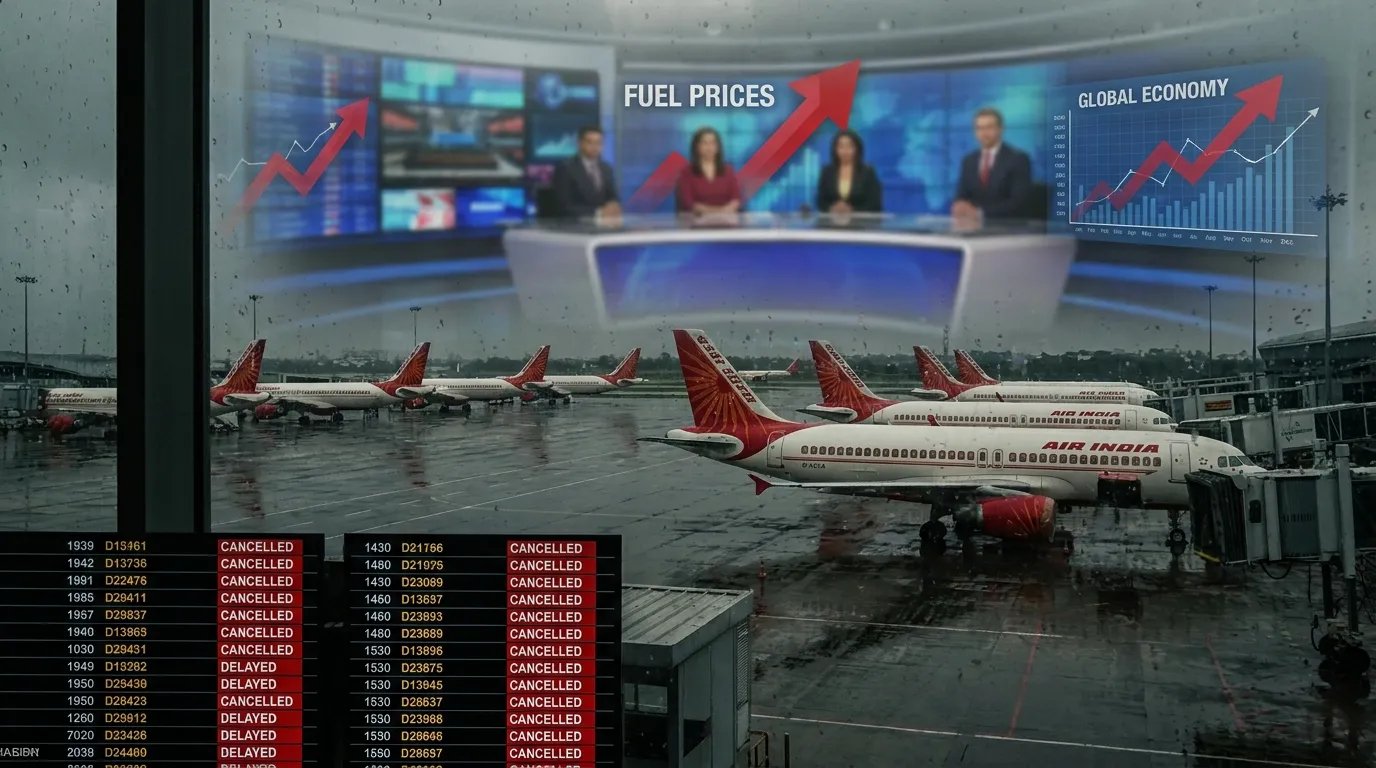
Air India’s aggressive flight cuts highlight how rising fuel costs and geopolitical instability are creating serious operational and financial pressure across the global aviation sector.
Air India has announced a temporary reduction of approximately 22 percent in its domestic flight operations as the airline struggles with rising operational costs caused by elevated aviation fuel prices and ongoing airspace restrictions.
The move follows an earlier decision by the Tata Group-owned carrier to reduce international flight capacity by nearly 27 percent between June and August 2026. The airline cited higher jet fuel prices and operational disruptions across global air routes as key reasons behind the cuts.
According to airline sources, Air India currently operates around 4,400 weekly flights, including nearly 3,600 domestic services and 800 international flights. With the new domestic reduction plan, more than 790 weekly domestic services are expected to be affected.
In an official statement, the airline said it had “temporarily rationalised operations on certain domestic routes” due to the sustained impact of high fuel prices on overall airline operations. The carrier added that it would continue monitoring market demand and operating conditions and could restore frequencies once conditions stabilise.
Passengers impacted by the changes will be offered rebooking support, complimentary date changes or full refunds depending on ticket eligibility and route availability.
Earlier this month, Air India also suspended or reduced several major international routes, including Delhi-Chicago, Delhi-Newark, Mumbai-New York, Chennai-Singapore and Delhi-Shanghai. The airline warned that further network adjustments may occur if current operational challenges continue.
The financial pressure on Air India has intensified significantly over the past year. According to figures disclosed by Singapore Airlines Group, Air India reported losses exceeding SGD 3.56 billion (over ₹26,700 crore) during the financial year ending March 2026.
Singapore Airlines, which owns a 25.1 percent stake in Air India following the Vistara merger, also reported a sharp decline in annual profit partly due to Air India’s losses and the absence of earlier one-time merger gains.
The airline industry globally continues to face pressure from volatile oil prices, geopolitical tensions in the Middle East and disruptions linked to the Strait of Hormuz, one of the world’s most critical energy shipping routes. Rising fuel prices have already forced several airlines worldwide to adjust schedules, cut routes and raise fares.
Industry analysts believe prolonged fuel inflation and restricted air corridors could continue impacting airline profitability and passenger travel demand in the coming months.

Reuters · 3 days ago
Australia's stronger-than-expected job growth highlights continued resilience in its labour market despite higher borrowing costs. With infl...

Reuters · 4 days ago
Australia's latest employment report showed continued strength in the labour market, with job creation well above forecasts and unemployment...

Reuters · 4 days ago
Macquarie has opted for an internal leadership transition by promoting Greg Ward, signalling continuity in its business strategy. The bank a...
From MyDigiFolio
One profile. Resume, vCard, portfolio, and email signatures — all generated in 3 minutes.
Build your page — freeWe use essential cookies for login and preferences, and optional cookies for analytics. Privacy policy.