TOP STORIES
AI Disruption Could Push 11 Million US Workers Into New Occupations by 2035, McKinsey Reports
MyDigiFolio Editors
2 min read
TOP STORIES
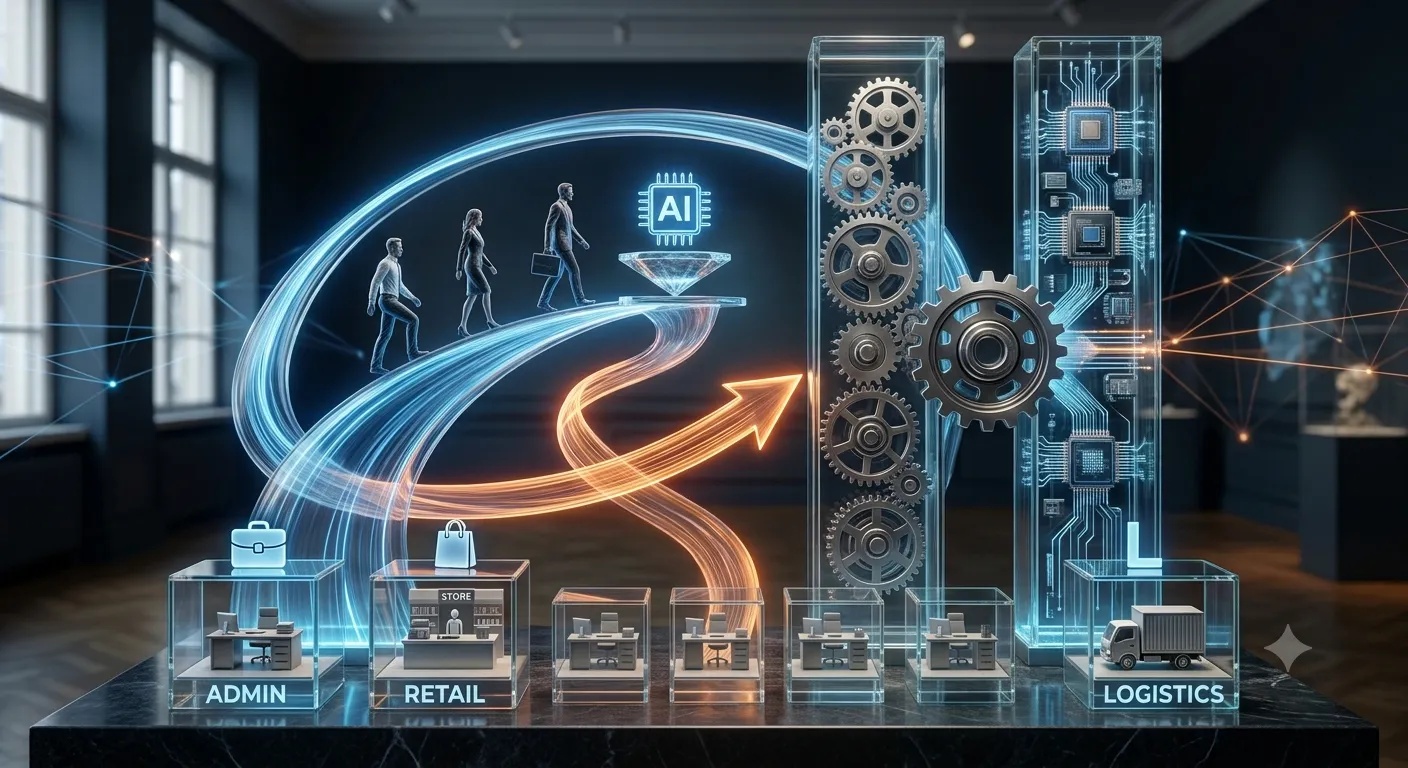
The true threat of AI over the next decade is not an outright lack of work, but the friction of moving millions of displaced staff into entirely different fields. Roughly 7% of the US workforce may need to switch roles by 2035, requiring annual occupational transitions to nearly triple. Because workers are not interchangeable units, the vast majority will face intensive reskilling and possible temporary income loss.
A widespread jobs apocalypse may not be the primary danger facing American employees over the coming decade. Instead, the critical hurdle will center on guiding millions of displaced individuals into new occupations, according to research conducted by McKinsey & Co.
The analysis projects that roughly 11 million US workers—representing about 7% of the current domestic labor market—could need to pivot to alternative occupations by 2035 due to artificial intelligence. Historically, approximately 215,000 American employees change occupations each year; this shift could cause that annual churn rate to triple over the next ten years. Navigating this change will prove steep, with six out of seven transitioning workers expected to require substantial retraining alongside potential wage reductions during the shift.
"Job opportunities can be abundant and yet leave millions of workers without work if those positions require different skills, credentials, locations or pay structures than current jobs."
The study highlights that displacement pressure is heavily clustered across three primary segments:
Lower-income personnel face disproportionate exposure, with projections showing them nearly eight times more likely to be forced into role transitions compared to higher-earning counterparts. Depending on corporate AI implementation speeds and demographic shifts like an aging populace, overall occupational switch estimates range between 6 million and 16 million individuals.
The anticipated transition velocity mirrors the workforce disruption witnessed during the COVID-19 pandemic. However, while the pandemic disruption spanned two years, the AI transformation will need to be sustained across an entire decade. With conventional education models targeted primarily at entry-level youth, the report calls for local and federal interventions, including subsidized adult reskilling programs and clearer labor market data to bridge the widening gap.
The Economic Times · 1 day ago
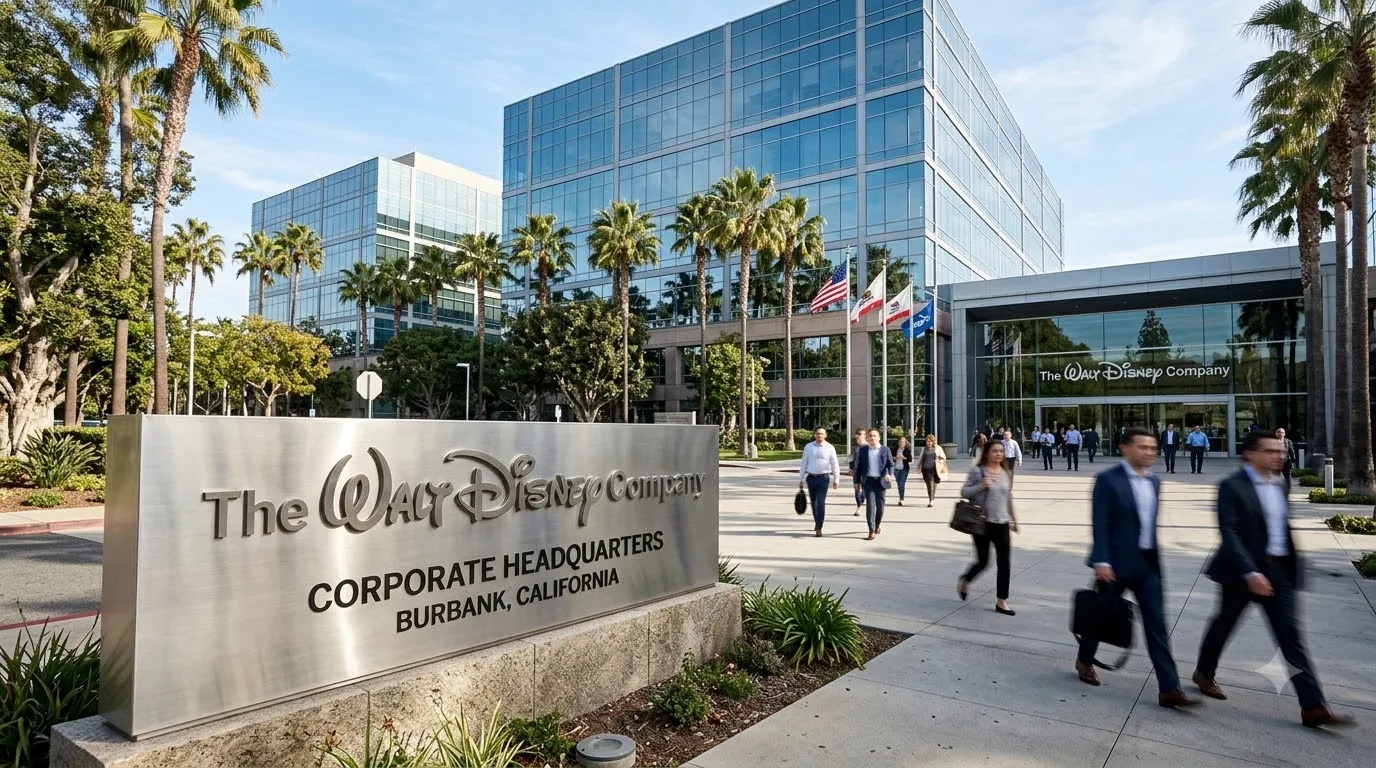
Disney’s planned overhaul of its Legal and Global Affairs division demonstrates that corporate efficiency drives are expanding beyond tradit...

The Indian Express · 1 day ago
Oracle's latest job cuts highlight a growing paradox across Big Tech: record-breaking cloud expansion running parallel to workforce downsizi...

Peoplematters · 1 day ago
The directive stops short of an outright statutory ban on hiring foreign specialists following staff cuts, but it establishes downsizing as...
From MyDigiFolio
One profile. Resume, vCard, portfolio, and email signatures — all generated in 3 minutes.
Build your page — freeWe use essential cookies for login and preferences, and optional cookies for analytics. Privacy policy.