AI & TECH
AI Chip Giants Drive Record Rallies in Taiwan and South Korea Stock Markets
MyDigiFolio Editors
3 min read
AI & TECH
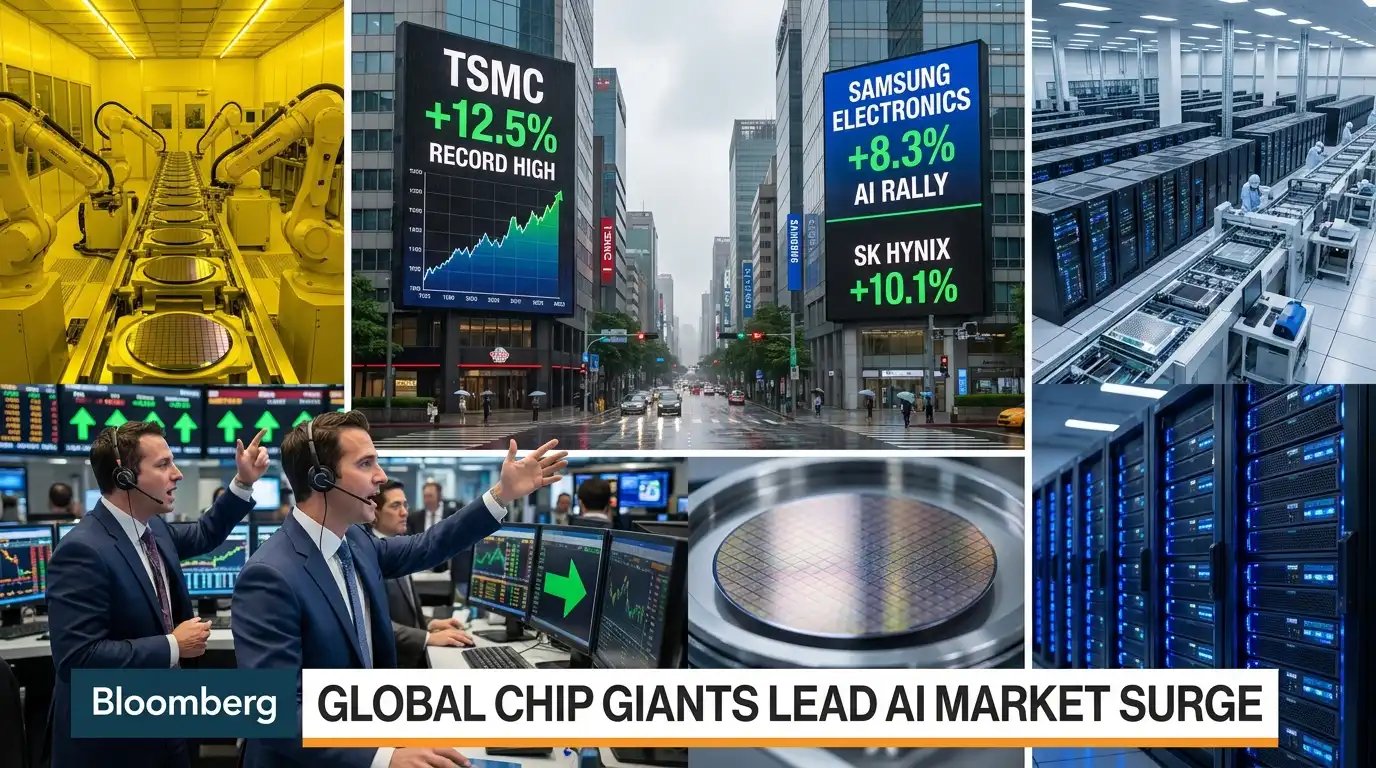
Artificial intelligence demand is fueling historic stock market rallies in Taiwan and South Korea, powered largely by semiconductor giants like TSMC, Samsung Electronics, and SK Hynix. However, analysts warn that growing dependence on a small number of AI chipmakers is creating concentration risks that could leave both markets highly vulnerable to supply chain disruptions, geopolitical tensions, and shifts in global AI spending.
AI Boom Sends Asian Stock Markets to Record Highs
Stock markets in Taiwan and South Korea are experiencing historic rallies as global investors continue pouring money into artificial intelligence and semiconductor companies.
Taiwan’s Taiex index and South Korea’s Kospi index have both surged sharply this year, driven primarily by soaring demand for:
Analysts say the AI hardware boom has become the dominant force powering both markets.
Semiconductor Giants Dominate Market Performance
The rally has become increasingly concentrated around a small group of trillion-dollar technology companies.
Key concentration figures include:
Investors have aggressively bought semiconductor stocks amid expectations that AI demand will continue expanding globally.
AI Spending Surge Driving Massive Earnings Growth
Analysts say Taiwan and South Korea are among the world’s most exposed economies to AI-related revenue streams.
According to market strategists:
The surge in AI infrastructure spending has significantly boosted:
Samsung Electronics recently crossed a market value above $1 trillion as AI-linked enthusiasm intensified.
Growing Concerns Over Market Concentration
Despite the strong gains, analysts warn that excessive concentration around a handful of semiconductor companies could increase market vulnerability.
Potential risks include:
Experts say broad stock index gains may no longer accurately reflect overall domestic economic strength because performance is increasingly tied to AI exporters.
Taiwan and South Korea Face Different Economic Risks
Analysts note that the two economies face different levels of exposure despite both benefiting from AI growth.
Taiwan
Taiwan’s market is becoming increasingly dependent on:
Some strategists warn Taiwan’s economy and stock market risk becoming overly reliant on a single company and industry theme.
South Korea
South Korea’s market remains somewhat broader due to strength across:
Analysts believe South Korea’s broader industrial diversity provides slightly better economic balance.
Geopolitical and Energy Risks Remain High
Both Taiwan and South Korea remain vulnerable to:
The countries are major energy importers, meaning prolonged geopolitical instability could hurt competitiveness and increase production costs.
Semiconductor production also relies heavily on specialized chemicals and materials vulnerable to international trade disruptions.
Investors Warned About AI Trade Overexposure
Investment experts caution that global investors may unknowingly be doubling their exposure to the same AI-driven market theme by investing simultaneously in:
Some strategists compared the situation to other highly concentrated markets historically dependent on a single dominant sector or company.
Analysts warn that while concentration can amplify gains during bull markets, it can also increase downside risks if investor sentiment shifts suddenly.
Key Highlights

Reuters · 1 day ago
Goldman Sachs has opened a dedicated engineering office in Bellevue for more than 125 employees working on AI and cloud transformation. The...
India Today · 1 week ago
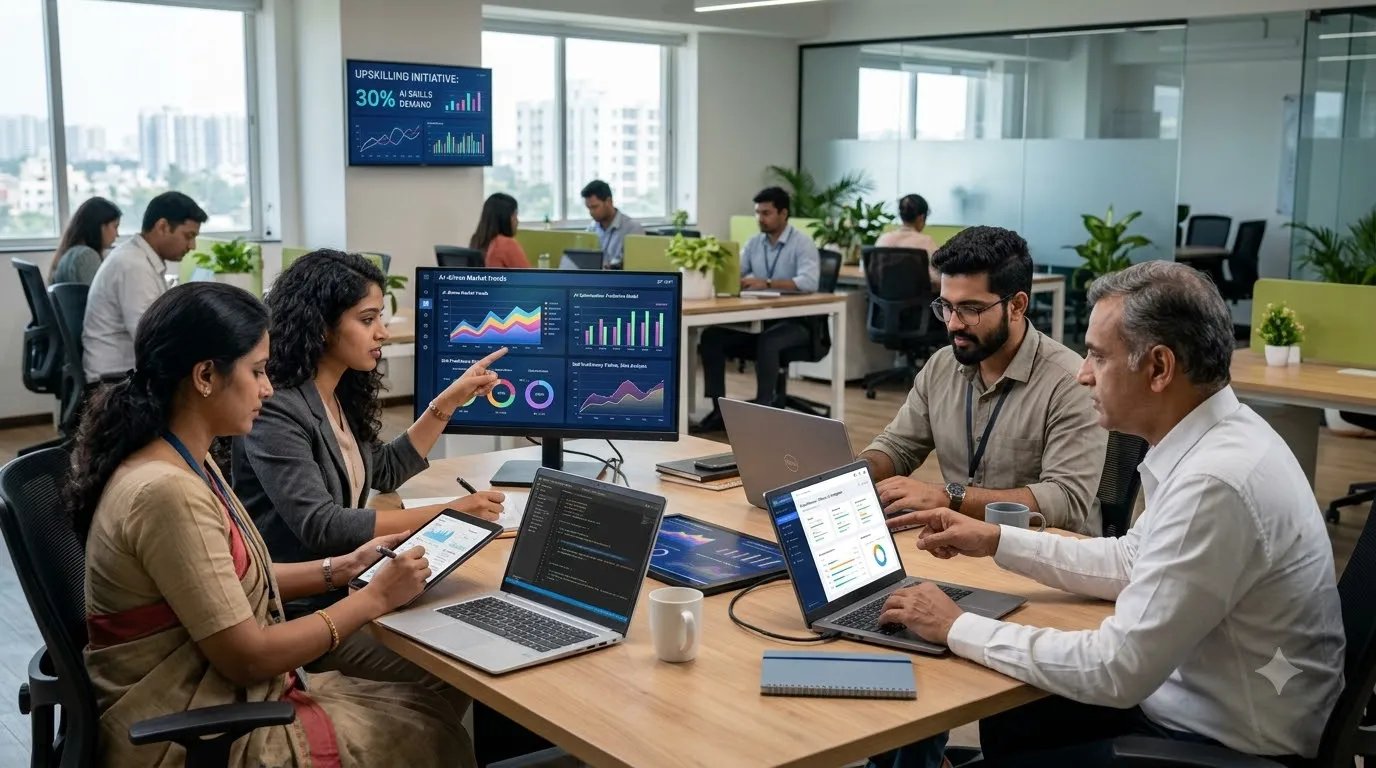
AI hiring demand in India has grown by about 30% compared with last year, according to an InCruiter survey. Employers are increasingly valui...

CBRE · 1 week ago
AI is expected to moderate office employment growth in New Zealand rather than reverse it. CBRE's analysis suggests AI will primarily augmen...
From MyDigiFolio
One profile. Resume, vCard, portfolio, and email signatures — all generated in 3 minutes.
Build your page — freeWe use essential cookies for login and preferences, and optional cookies for analytics. Privacy policy.